
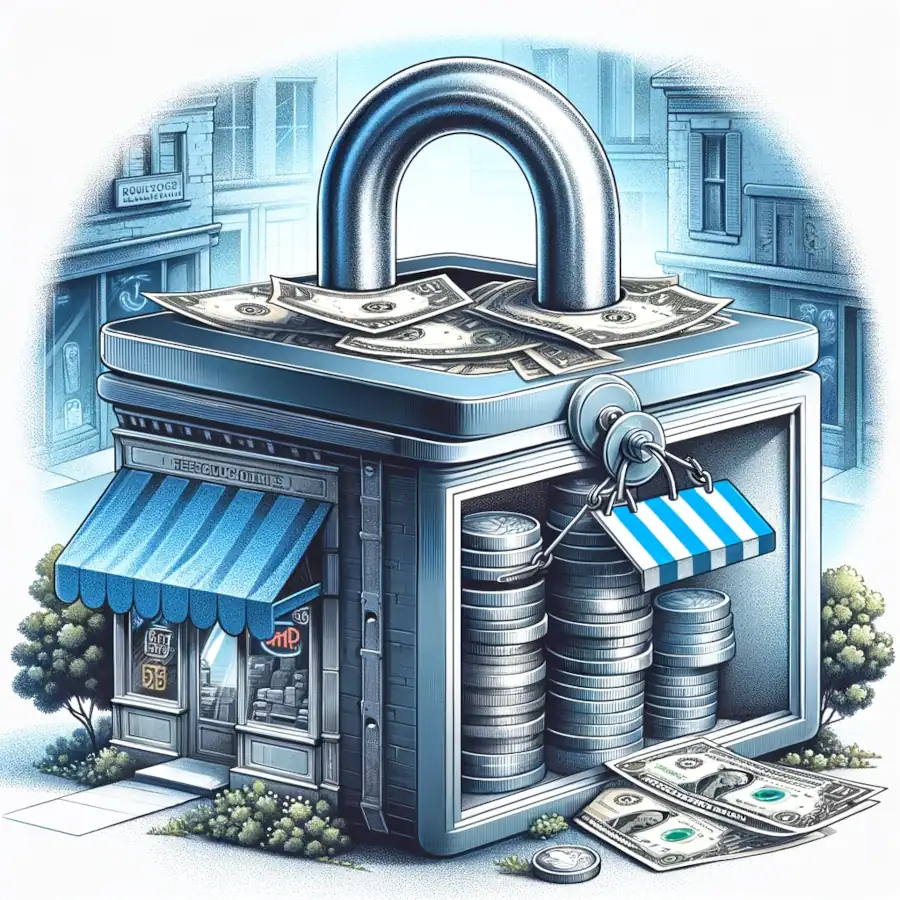
What is a Holdback?
A merchant account holdback is a portion of revenue withheld by banks or payment processors from a business’s credit and debit card transactions. This practice serves as a protective measure against potential financial risks such as chargebacks and fraud. Holdbacks are typically expressed as a percentage of daily transactions and are held in a non-interest-bearing account for a predetermined period.
How do Holdbacks Work?
When setting up a merchant account, holdbacks are configured based on the perceived risk associated with the business’s operations. The process involves the payment processor or bank determining the percentage of daily sales to retain, which can vary depending on factors like industry type, transaction volume, and historical chargeback rates. These funds are then held for a duration that can vary but is usually tied to the risk period associated with potential chargebacks or fraud. For example, industries with higher instances of disputes may see longer holdback periods. Understanding this setup is important for business owners as it affects how they access and manage their revenues.
Holdbacks Impact on Business Cash Flow
Holdbacks can impact a business’s cash flow by temporarily reducing the amount of available funds from sales transactions. This reduction can complicate financial planning and may hinder operational abilities, especially for smaller enterprises that rely heavily on consistent cash flow. To mitigate these effects, businesses should develop strategies such as maintaining a reserve fund, improving internal cash management practices, and regularly reviewing transaction records to anticipate and plan for the impact of holdbacks. Clear communication with the payment processor about the terms and conditions of holdbacks can help businesses better prepare for and adapt to these financial constraints.