
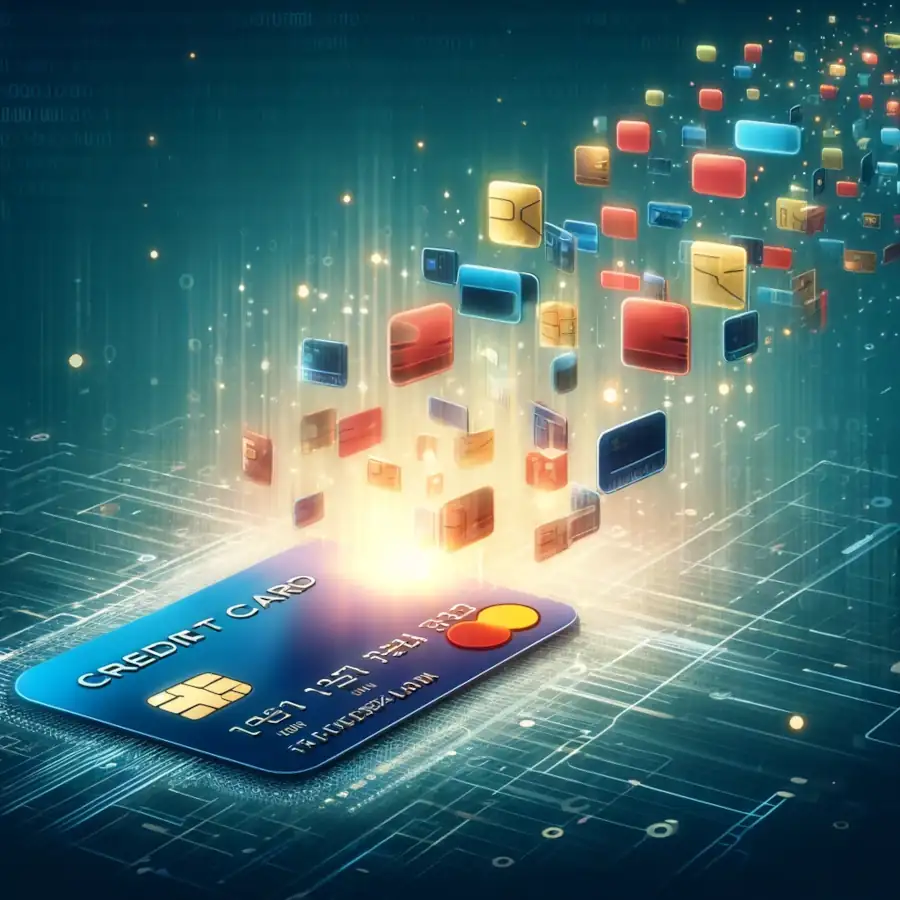
Merchant Account Tokenization Explained
Tokenization is a security technology used in payment processing to protect sensitive customer data. It replaces original data elements, such as credit card numbers, with non-sensitive equivalents, known as tokens. These tokens can be used in the payment ecosystem without exposing actual bank details, thereby enhancing transaction security. Originating as a response to the increasing need for secure electronic transactions, tokenization has become a standard practice in safeguarding payment systems against data breaches and unauthorized access. Its adoption is supported by its alignment with regulatory standards like PCI DSS, which mandate robust security measures for handling payment data.
There Are Advantages of Tokenization For Your Business
Tokenization offers numerous advantages to businesses, particularly in enhancing security and compliance while potentially reducing fraud-related expenses. By substituting sensitive customer information with unique identifiers, tokenization minimizes the risk of data theft and unauthorized access. This security measure not only helps businesses meet stringent compliance standards but also mitigates the financial and reputational damage associated with data breaches. Tokenization can streamline payment processing by reducing the scope of PCI DSS audits, thereby lowering operational costs related to securing customer data. These benefits make tokenization an attractive option for businesses aiming to secure their transaction processes and safeguard customer trust.
