In this review of First American, a prominent merchant account provider now operating under the Deluxe umbrella since its acquisition in 2021, we'll offer a clear and comprehensive overview. We'll cover their various payment processing solutions, Point of Sale systems, and mobile processing capabilities, which are important for modern businesses. We'll also look at their commitment to security and compliance, particularly their alignment with PCI DSS standards, and their proprietary payment gateway, 1stPayGateway. Our analysis will include a look at the pros and cons of First American's services, focusing on key issues such as pricing transparency, contract terms, and customer service experiences. We'll examine customer and employee feedback, highlighting common complaints and the company's response to legal challenges, including a notable FTC lawsuit in 2022. Finally, we'll review First American's processing costs, fees, rates, and contract details, providing useful insights for businesses considering their services. We'll also touch on the company's marketing strategies and employment practices to offer a well-rounded view of First American's operations in the merchant services sector.
About First American
First American is a merchant account provider based in Fort Worth, Texas, that claims to have been in business since 1990. First American was previously called First American Payment Systems and also operates under several other business names and trademarks including FirstAdvantage, FirstFund ACH, Merimac Capital, Secur-Chex, FirstView, and FirstPay.net. It is suggested in numerous merchant reports that the company is under the same ownership as, or operates, the following merchant services companies: Appstar Financial, Eliot Management Group, Trans Tech Merchant Group, Summit Merchant Solutions, Apex Merchant Group, Trinity Merchant Group, Heritage Payment Solutions, GoEmerchant, Certified Payment Processing, iATS Payments, Govolution, and Velocity Payment System. A company representative has stated that First American does not operate Appstar Financial, Trinity Merchant Group, or Heritage Payment Solutions.
First American Payment Systems Homepage
Purchase By Deluxe
In June 2021, First American was purchased by Deluxe for $960 million. Deluxe is a large company that provides business solutions of many kinds, serves 4.8 million active small business customers and more than 4,600 financial institution clients, and already had its own payment processor, Deluxe Payments. It appears that First American will continue to operate under its own brand under the Deluxe umbrella, called First American by Deluxe or simply First American.
First American Payment Gateway Products and Services
Payment Processing Solutions
First American provides secure payment processing solutions for businesses, enabling acceptance of credit card, debit card, and ACH payments. Their solutions incorporate robust security features such as PCI compliance, fraud prevention, and tokenization.
Point of Sale Systems
First American offers a variety of POS solutions tailored to different business needs across various industries. Their systems are designed to manage sales transactions, track inventory, and generate sales reports. In 2023, First American partnered with the Epos Now POS system to enhance their offerings.
Mobile Processing
Recognizing the growing trend of mobile commerce, First American provides mobile payment solutions for businesses needing on-the-go payment options. These solutions facilitate transactions via smartphones or tablets. In 2023, First American partnered with the SwipeSimple mobile payments app to offer these services.
Security and Compliance
To protect sensitive financial information, First American implements security measures that comply with the Payment Card Industry Data Security Standard (PCI DSS). They provide tools and services to help businesses secure their payment environments and adhere to industry regulations.
First American Payment Gateway
It appears that First American offers its own payment gateway and API called 1stPayGateway. 1stPayGateway is a registered LLC located at 800 Cooper St Ste 500, Camden, NJ, and has been accredited since 2012 with The Better Business Bureau.
First American offers standard payment processing services
First American Customer Reviews
Here's What Their Clients Say
Customer Reviews Summary
Total Online Complaints
150+
Live Customer Support
Yes
Most Common Complaint
Sales Tactics
Recent Lawsuits
Yes
In-Depth Analysis of First American Payment Systems Reviews
Our research has unveiled a substantial volume of First American Payment Systems reviews across various platforms, with a significant number of these critiques labeling the company as a scam or a ripoff. While it’s challenging to ascertain the exact number of complaints due to the company’s association with numerous poorly rated resellers, there are definitively more than 150 complaints directly naming First American Payment Systems. For those with personal experiences with First American, sharing your review in the comments would be invaluable.
Core Issues Highlighted in Complaints
The bulk of grievances revolve around unexpected fees, deceptive sales approaches by independent agents and resellers, unauthorized account withdrawals, and lack of transparency regarding service agreement duration and cancellation fees. A considerable number of reports also condemn predatory equipment lease arrangements via Merimac Capital, where clients were allegedly coaxed into costly 48-month leases for subpar equipment. Additionally, ex-employees and agents have voiced concerns over dishonest and misleading recruitment practices.
Legal Challenges Facing First American
In a significant 2022 legal development, the FTC charged First American with ensnaring small businesses through concealed terms, unexpected exit fees, and so-called “zombie charges” — fees assessed post-account closure. Consequently, First American was mandated to compensate $4.9 million to the FTC for customer reimbursement. Clients seeking recourse outside litigation are advised to report their experiences to authoritative bodies.
Customer Support at First American
First American pledges round-the-clock telephone support for all customers, aligning with the expected standard for premier merchant account services in customer care. Notably, First American’s call center has been distinguished by independent review bodies, clinching the Association of TeleServices International (ATSI) Call Center Award of Distinction for ten consecutive years as of 2022, including a standout performance in the financial services sector.
Contacting First American Payment Systems
(888) 453-4538 – General Support Line
(800) 701-2831 – Office Contact
Despite these accolades for its call center, the company’s public complaint history has resulted in a “C” rating in this domain.
This comprehensive overview, SEO-optimized with key phrases such as “reviews,” “review,” “complaints,” “customer reviews,” “customer complaints,” aims to provide a balanced account of First American Payment Systems’ services and customer feedback. Your contributions and insights via comments are welcomed to further enrich this analysis.
Note: We have adjusted this company’s BBB rating according to our own standards. To better understand why we adjust BBB ratings, please see our Rating Criteria.
Over 60 Complaints
As of this update, the Better Business Bureau is awarding First American an “A+” rating despite 61 complaints filed within the last 36 months. The company has been accredited by the BBB since 2015. Only 20 of these 61 complaints were resolved by the company to the satisfaction of the merchant. The remaining 41 were resolved to the dissatisfaction of the merchant or received no final response.
What Merchants Say
There are also 24 negative reviews and 1 positive review posted on the company’s BBB profile. The most recent review describes unexpected charges:
We are a church and got ****** up with this merchant payment organization about 10 years ago when we first started accepting online donations. While they charged a high price for service, we were new to online payments. They require you to sign 1 year auto renew contracts with high penalties for cancellation. Our online hosting software company changed in 2015, used a great, low fee for non-profits, company Transnational for payment processing and so we have not actually processed any payments through First American since then. However, office staff assumed they were still being used and so this was not cancelled and they have taken $100.40 in fees every month since then. Now September 2021 and so they have taken at least $7,228.80 from us for doing NOTHING.Called to cancel today once I investigate this hidden charge, only noted BANKCARD FEES on the monthly ACH withdrawal with no contact information. Our bank had to research to find a contact number which they just got to me. I called and got only misleading answers from ******** who said if we cancel before our annual term expires in November the penalty will be higher than 2 more months of $100.40 fees.I know our pastor ****** the agreement years ago, and that we have no legal recourse against First American. She would not even give me the mailing address so we can send a certified letter and said only ways to cancel was to send a letter via fax, attached to an email at a mystery email address of (BBB would not allow me to leave either the phone number or email address.)
The rates, fees, and contract terms for a First American merchant account may vary depending on the agent, sub-ISO, and business. It seems that the terms and conditions for First American include a three-year service agreement, an early termination fee ranging between $300 and $495, and a $120 annual PCI Compliance fee, alongside other monthly and processing fees. Additionally, the contract automatically renews for successive one-year terms if not canceled within a specific timeframe before the term’s end.
Virtual Terminal and Payment Gateway Pricing
Besides its in-store payment processing, First American also promotes its virtual terminal and payment gateway services, FirstPay.Net. However, pricing for these services is not disclosed. Additional rates and fees, including gateway fees, technical support fees, batch fees, and additional transaction rates, typically apply to these e-commerce services. We encourage businesses to explore our list of the top merchant services.
Long-Term Equipment Leases
Business owners also mention long-term, non-cancellable equipment leases through the company’s leasing affiliate, Merimac Capital. Overall, the company’s contract terms seem substandard compared to the most cost-effective merchant accounts available.
First American offers e-commerce solutions including access to virtual terminals
First American has earned a “D” rating in this section because of its preferred marketing strategy. The company is associated with numerous other poorly rated companies and operates under multiple business names. Not only does this cause confusion for clients, but most companies use such a strategy to spread public complaints across different business names. It may be that under the ownership of Deluxe that this changes, but we will have to give the new situation some time to determine whether First American changes its practices.
Outside Sales Team
Like many processors, First American’s strategy is to partner with ISOs and independently contracted outside salespeople. This strategy would normally earn a processor a “C” rating in this section because it is a common strategy that ultimately results in a higher-than-average number of complaints from business owners. The rating for First American drops to a “D” in this section because it appears to supply processing services to some of the poorest-rated providers reviewed on CardPaymentOptions.com and may actually be under the same ownership as some of these companies. If you believe that a First American reseller has inserted hidden fees into your contract, we recommend seeking a third-party statement audit to eliminate hidden fees. First American’s sales practices do not compare favorably to our list of best credit card processors.
Our First American Review Summary
Our Final Thoughts
First American is a credit card processing provider that primarily markets its services through independent sales agents, external sales organizations, and alternate business names. The company could improve its standing by addressing several aspects of its service that currently impact its rating, such as eliminating the cancellation fee, PCI compliance fee, auto-renewing contracts, non-cancellable lease terms, and reducing future client complaints regarding its practices.
Business owners should thoroughly review and understand their merchant account agreements before committing to First American or any other provider. Given its affiliation with numerous low-rated processors, First American has secured a position on our list of the worst merchant account providers.
Location & Ownership
First American is a registered ISO/MSP of Fifth Third Bank, National Association; and Wells Fargo Bank, N.A. In January 2016, First American purchased the entire portfolio of independent sales organization accounts and associated contracts from Chase Commerce Solutions, the payment processing arm of JPMorgan Chase. First American is headquartered at 100 Throckmorton St Suite 1800, Fort Worth, TX. Neil Randel is the founder and CEO of First American. It is unclear whether Neil Randel is related to Nathan Randel, the principal for Trinity Merchant Group, but it seems likely given the two companies’ geographic proximity.
If you found this article helpful, please share it!
In the late 2000s, as a broke college student struggling to make ends meet, I was contacted by a merchant services company after uploading my resume to a job listings website. This company promised substantial commissions and ongoing residual income for simply persuading businesses to accept credit card payments. It seemed straightforward enough—after all, what business doesn’t need to process credit card payments? Following a phone interview with a persuasive “sales director,” I found myself embarking on what I believed would be an easy job that would significantly boost my bank account with reliable monthly income and large sales commissions. However, the lessons I learned would profoundly change my life in ways I could never have imagined.
After completing my sales training, I hit the ground running, eager to make sales. This broke college student was determined to improve his financial situation! My first attempt at a cold call, with no prior appointment, ended with a burly man in his 50s yelling at me to leave, claiming he had been “totally robbed” by someone like me before. As I hastily exited, puzzled and intimidated by his reaction, I couldn’t help but wonder what he meant. Throughout the day, I encountered similar hostility from other business owners, all expressing disdain for the industry I had been so excited to join that morning. Confused and curious, I decided to shift my approach from selling to listening.
I quickly uncovered that the merchant services sector was riddled with unethical practices, including hidden fees, deceptive marketing, fine-print traps, and much more. It dawned on me that I had nearly been tricked by a dubious company into selling overpriced services under contracts with long-term commitments, all without being fully aware of what I was promoting. Outraged, I resigned from that company but learned that there were indeed ethical credit card processing companies that treated their clients fairly. Over the next four years, I worked for one such company, assisting hundreds of businesses in securing cost-effective processing solutions. Yet, I also met many more who had been misled and trapped in onerous service agreements. Determined to help people steer clear of these unscrupulous providers, I launched this website in my spare time, dedicating myself to researching and sharing my findings on every merchant account provider I could investigate.
Gradually, more and more business owners began to discover my articles. As word spread, search engines started to rank my content highly, amplifying its reach. My efforts were making a difference! Eventually, the website garnered enough traffic to enable me to leave my job and focus on it full-time, a journey that has now spanned over a decade. This path has not been without its challenges; unscrupulous company owners have tried to intimidate and sue me into silence on several occasions. Yet, I have stood firm against each threat. Here I am, continuing to publish reviews and articles, hoping to safeguard others from the pitfalls of the credit card processing industry.
If you believe in my mission and wish to contribute, please share my articles on your websites and social media. Thank you for visiting!
Testimonials & Complaints
How Did First American Treat You?
127 User Reviews
Scott
Custom Construction Imports
fees seem to creep up and lately they’ve been changing my limits without telling me and withholding deposits.
Mathew
Murphy Moving Co.
This is all VERY TRUE! Was a customer of ten years and they still charged “early termination fee” as well as various other “fees” for PCI etc.
STAY AWAY and if you are using them QUIT !! Immediately.
ZACHARY CREEL
THIS COMPANY TOTALLY SCREWED ME OUT OF A COUPLE HUNDRED THOUSAND DOLLARS OVER THE COURSE OF 5 YEARS. NEVER PUT FAITH IN THEM JUST BECAUSE YOU TRANSACTION GOING THREW ON THE MACHINE AND IT SHOWS PENDING ON YOUR BANK ACCOUNT DOESN’T MEAN ANYTHING THAT CAN RELEASE IT AND YOU NEVER WILL KNOW YOU NOT GETTING PAID FOR THE TRANSACTIONS THAT YOU ARE PROCESSING.
justin
absolutely terrible and would never ever recommend i dont feel that i need to add to the stuff on here but i can testify that all of the bad stuff is true and wish i would of never done business with them at all……..
to anyone out there thinking this is a great idea its not
Merimac has agreed to a settlement making their leases null and void if you tell them it was obtained fraudulently. They cannot charge you anything. Just stop you ACH payment and wait for them to call. They admit no guilt it cheating companies for over 10 years, and paid 4.9 million in damages. The Texas Supreme Court will approve this agreement in the next few weeks. I got out of my lease just citing this proposed agreement…fax it to them and you will prevail.
Asim
Just like many other complaints on here. Based on my experience First American/Their sales organization is run with HIGHLY DECEPTIVE sales practices. There was never any mention of a monthly charge, or a contract length. The sales reps sold us on “lower payment charges vs the competitors” After getting the process started, i was alarmed at how rude their reps/account managers were. This was one of the worst professional experiences i have personally ever experienced. Most importantly they kept charging my account under very deceitful charges called “BankCard” charges. My bank was digging for months b/c their charges made it seem like they were from my bank. When i stopped payments going out. I got a call from First American threatening to keep paying them (for services we never used) or else they would send it to collections and get it reported all credit agencies and ruin my credit”. Keep in mind this is for NEVER using their service.
Their sales reps are full of lies to get to you sign something. This company outsources their sales to they can get away with highly unethical business practices. After lying to get your sale. They send threatening bullying letters to you to extort more money out of you. HORRIBLE business. I will also be reporting to the Attorney General. This company needs to be shut down. Consumer protection agencies and the AG are there to protect the consumer from companies like this. I will follow through with all of them as necessary. Complete scam of a company.
I contact the creditor who performed the inquiry and ask for their proof of authorization but got no useful reponse from them, they kept coming up with excuses and delay tactics, I was so frsutrated and annoyed as I needed to get a home but I was always been denied due to inquiries on my report. I had to make research on my own and I came across this repair with decades of experience whom I got in touch with (tom.lawrence114 at g mail com) he promised he would helped me get my credit fixed asked me for a tips and necessary info. Long story short, all hard inquiries were remoeved, late payment was marked on ontime payment, all debt were been paid off and finally my score increased to 800s(I wish I could show you my New report here but I can’t due to identity theft). I never doubted this great man cus I already read a lot of review and praises thou I’m not asked to share this but I feel it’s high time for we to Know that Credito or credit bureaus won’t get your credit fixed so you have to make a smart move to save yourself in time
Russell J Jergenson
Small business owners beware. This company is a complete fraud with very unethical practices. I recently purchased a business from a family member(my first time owning a small business). Going through the process I was informed that I would have to sign an agreement with this processing company or they would apply a cancellation fee to said family member. However, as I learned of their practices and fees I was very concerned. Nobody from their company could explain how the “fees” worked. That was the first strike. The second strike came to me by the PCI compliance department. New to the industry I had no idea what this even was, I would of appreciated the sales rep to inform me of this at the time of the sales call. Long story short F.A. told me that it was my problem and that I would have to hire an IT person to handle the situation. The third strike came about when I had a job that exceeded my processing transaction limit by $800. Instead of the company reaching out to me they contacted the cardholder and basically belittled my customer in a very unprofessional manner. This process took two weeks to be resolved during the time they took all of the fees out of my account without paying me for the transaction. After this, I was done with this company, so I reached out for help. I was informed by 3 different merchant companies that is was unlawful to hold contracts over processing fees. I called in and was informed that they would send a cancellation letter with a fee of $495 to be accessed. I told them they were not allowed to do so and the account rep then got belligerent with me and very agitated stating that they would ruin my credit. Since then I now received a letter with now breakdown on the charges for $675. Wherever they came up with that total is beyond me. I will be fighting this and hopefully someone reads this and stays FAR away from this company.
Small Family Owned Colorado Business
Ripped us off!!. Salesman promised lower CC fees as well as monthly fees. Sent us an “application” which is actually a CONTRACT for an 18 mo agreement. When we found out their program was not compatible with ours, we were told they would send us a different one but did not tell us the cost was much higher than we originally were told. Once we figured out that with that new cost we would NOT be saving any money, we did NOT download any programs or use their services in any way and were sent a bill for over $800.00. They would not allow us out of our “application/contract” and still had to pay a $450.00 early termination fee. Not a nice way to treat a small family business at all!! Be very careful as their salesmen are apparently not giving the whole story! I would NOT use these guys! Our fault for not reading all these reviews first!! Please, please save yourself the hassle and the money!! These people are a total SCAM!!!
Tony Cox
Sales rep incredibly rude and hung up on me when she felt I was not interested in changing. Would never work with this company based on this experience.
The worst company I have ever dealt with – please look at any service company other than Ist American – this is only my opinion but I have found them to dishonest and I will leave it at that.
First American payment is out of line with there policies and the way they conduct business. First I have never signed Whatever it is they are claiming I signed especially for some kind of contract that requires to be committed to there hidden terms. They have agents that solicit services from all barber shops to salons in the Orlando area as well. This company First American payment system also known as “Cypress Bay Solutions” 100 throckmorton St. Suite 1800 fort worth tx, 76102 same address has charged my personal credit two separate accounts for $753 and $934 trying to resolve this issue is impossible deal with this companies very rude collection manager (Jeryd H) who has also threatened me as well stating that “I don’t pay my bills anyway that’s and that I should have read the fine print. Fedelity creditors services carries one of the collection and completely lied saying I admitted to me signing a document in a previous complaint with the consumer protection bureau. I did not sign documents for no contract with this company nor have I received any supporting documents showing otherwise as I requested from both agencies. How can a company continue to operate like this? The agent clearly recognizes the fact that I was never committing to any contact with this company. I now have two debt collections on my credit that has hindered me and my business from any future credit relationships. Bottom line deceptive, rude customer service, unaccountable, and a thuggish approach to rectify any wrong doing against small business owners alike.
My employee found out that Merimac broke in our two cash accounts and took -$879.41 from each of the accounts, under the name :Merimac lease collection.
My complain is based on the fact that Both of these two transactions were unauthorized and unscheduled since we have never have leased anything and or request a service from Merimac. I am struck and shocked beyond normal: How much power they have sweep our business accounts without prior authorization or consent. I never expected that something could exist legally in the world of business.
My bank investigated the transaction and from the internet search, we found that they were associated with AppStar and/or 1st American payment processing. BE CAREFUL NEVER DO BUSINESS WITH ANY OF THESE COMPANIES.
I initially blocked the merchant services from getting to my accounts. It caused me so much pain and anger that they take a lot of fees. In fact, I was tired knowing they were taking bankcard fees twice under the pretext that we have two bank accounts on the same terminal. The terminal that we have used was our own property and cost us about $20 only from Ebay. They broke into my account using a different name. They used this time the name of Merimac lease Collection. I never heard of this company before. It has the worst reviews all over the net.This is Fraud and it is a SCAM. How many businesses could legally take money from accounts just because they could break in the account?!
Now, as a result of this fraud, both of my accounts are overdrawn and won’t be able to pay my business bills, not even my utilities and fuel.
This is a rip off company. Do not sign a contract with them. There are many, many other cc providers you can use. This company will not stop taking fees from our bank account even though we have not used their services in over a year and have sent them multiple certified requests per their instructions to close the account. Fortunately, their sales representative signed the contract in our market, so the local courts will be able to handle our case.
This company will tell you anything to get you to switch to their service. The promised savings were non existent and actually cost more than my previous processor. I was told by the sales person that if I didn’t see any savings I could cancel at any time. When I tried to cancel I was told I could only do it by fax and that I had signed a contract agreeing to a $495 cancellation fee. I never signed anything and the company was unable to provide proof of the contract yet still charged me $495. I stated in a letter to them that of they were unable to provide proof of the contract and still charged me the cancellation fee i would consider it fraud. Guess they don’t mind being accused of fraud because they went ahead and took $495 out of my account without providing me with a copy of the nonexistent agreement. In addition to the cancellation fee I was also charged an annual fee which I was never informed of or agreed to.
WOW! Just got a sales call and when I tried to help the salesman he got way rude, insisting on talking to my husband….NO WAY would I EVER use this company! I hope he calls back and gets my husband! He’ll hear about how I was treated!
I have been in the process of trying to cancel our account with them for the last several days and I am getting nothing but the runaround. I have been transferred to multiple people who only want to transfer me to someone else. It is almost comical how poorly run the customer service has been. I would avoid this company at all costs.
I canceled my account with you on 8/ 1 2018. The person I talked to told me my contract was over in November and I would be charged until then fine. I also told her my account was closed so they would have to bill me, her ok. Then I get a charge on my credit card for over 630.63 . I called to ask why and was told they couldn’t charge my account da I told you it was closed. So I asked why and was told they don’t send out bills by mail. Please beware I was with this company for 21 years and they still found a way to get an extra 500.00 plus dollars from me. Good luck if you use this company for it’s services.
Caution when dealing with this company the sales people Lie Lie and tell more Lies, they claim the charges are cheaper than anyone else (another lie)…When you want to cancel they want $495.00 more money. Worst Credit Card Processor Ever….
Our former Office Manger cancelled with First American to transfer elsewhere and did not realize that a formal letter needed to be submitted.
3 years later we find out that we’ve been paying full monthly fees for no service amounting to over $2,900. Now they want an additional $600 to officially cancel our account.
They’ve gotten enough from us for no services rendered and we’ve told them that we could sue them for all the back payments, but that we will call it even.
Nope. They want their additional $600. Well they won’t be getting it. It’s far too expensive to file a lawsuit for $600 and our credit is stellar so a little tiny blip won’t affect it.
Credit card processing equipment was terrible did not work half the time or it was very slow. Ended up giving aways hundreds of dollars in business and going with someone else. They make you sign a three year contract if you cancel early you get charged over $400 and the garbage processing equipment was itself $800. Stay away from them.
Worst company on earth!!! don’t ever sign a lease for their equipment even if the merchant processor tells you it is a month to month agreement that can be canceled at anytime. The merchant processor gave me all sorts of promises in writing and it didn’t do a bit of good when they failed to uphold their side of the deal. They charged more than they said they would and when I canceled I thought everything was taken care of but no. I kept getting charged $60-$70 per month for a couple of years. I finally had enough seeing as I had already over the time paid $2694.71 for a card reader that cost less than $250 to buy. I had my bank put a stop payment on them and the next thing I know they changed the debit name slightly so it would go through and stole $2057.54 on top of what I had already paid without my approval or any warning. It seriously impacted my business as I had not budgeted for that type of a hit. When I did a search on the internet I found they had done the same thing to 100’s of other people. If anyone wants to start or join a class action law suit against them let me know.
This is a worst Marchant you would like to deal with. I will never recommand, “God forgive me” I insist…i said…never… recommand this company to no one.
1- a 3-year contract with a $495 early cancellation fee outrageous. if at the end of the contract, you forget to submit a written cancellation letter within 90 days of the contract date, they will auto-renew and hold you into another year’s contract. their rates so high, if by mistake you want to sign with them I recommend to review their aggreement with your lawyer.
But I would not recommend them to anyone .
This is not a company to deal with…NEVER EVER DO A MISTAKE TO SIGN A KIND OF AGREEMENT WITH THEM. ALL WILL DO IS TO HELP YOU TO FAIL IN THE BUSINESS. Specially if you a new and small business without much experience.
I process a payment will them and they hold the money for non valid reason. I stop using their card processing machine, i NEVER send cancellation letter…but later i saw on my credit report $700 with a red flag and a poor statement saying personal guarantee for business.
They will try to destroy you personally by destroying your personal credit. Then your business credit. Now I need take their aggreement to my lawyer for review and figure out my options about this report on my personal credit.
Later I received from them a letter nonsense letter threatening to start a Bankruptcy process if I don’t sign.
This company is horrible to deal with. They lie and cheat. They promised certain things and did not deliver. They are charging me for things they promised I would not have to pay for. Do not do business with this company!
This company is the worst, not reliable company. I had so many problems and I will list up some for the future possible customers. I was patient about 1 year but now it is the time since I am even not getting my money on time. 1. They are not paying my money on time. It is supposed to deposit next business day as contract, but I didn’t get the money for the below dates. 08/02/2018. 09/11/2018. 09/13/2018. 09/20/2018. 9/21/2018. For the small business owner even several hundreds is big money. Not depositing my money on time can cause me returned check, minus account, etc which can cause $35-$100 fee. As my experience with this company they will never be responsible the money which is caused by their mistakes. They are thief! Not reliable at all! 2. When we opened merchant account, we opened another merchant account for E-commerce as well. But they never connect properly with our online website, so we couldn’t make transaction through our shopping mall. So we kept asking them to fix it but never have happened for one month. Then we asked them to cancel the E-commerce account! But never happen again even cancelation for one month! And they kept charging us monthly service fee even though we didn’t get any services for their mistakes and their bad systems. We kept asking asking asking they just ignored. So we asked bank to block this E-commerce account not to pay next service fee, and we didn’t pay the fee for E-commerce merchant account. But then we couldn’t get our money from card transaction even thought it is different account, so we released the blocking. After all this effort finally they canceled our E-commerce merchant account. We told them we cannot pay all the fees for E-commerce merchant account since we never have get services for their mistakes and their faults!! This is reasonable. Right? But they don’t agree. They said they provided the service so we must pay!! Really?? I thought I was talking to wall. They couldn’t charge since we closed E-commerce account. Then they just went to another merchant account and they charge $100 in the name of annual fee which is not supposed to pay right now! suddenly! They can control my money even though account is different. Seems like they can do everything with our money! NOT RELIABLE. NOT TRUSTWORTHY. 3. The company for sales and the company for running the services are different! This is really big thing! I cannot get any services from both of them. Nobody wants to be in charge. They make an excuse for each other. When sales person try to sell they gave us wrong information, and running company is not responsible. 4. They have extra hidden service fee. PCI NON COMPLY FEE $19.95 per month. I never have paid for previous provider. Price went up after 5 months. They can raise this charge whenever they want. They said we can do by ourselves for PCI COMPLY not to pay the fee. No way. You will know nobody can do it by themselves…! 5. At the beginning we thought the service fee is less than previous provider. But now. Not at all. I don’t know why even we are paying more. Not the cheaper service provider!!!
Your are all right. Sir I have now a red flag on my personal credit because this company charge me more than $700.00 I never understood why the $700 for..
Now there are. Threatening me with a kind of Bankruptcy process. I have an appointment with my lawyer look over all this.
This company needs is the worst. Specially for small business owners
Do not do sign any kind of aggreement with them. They are thieves.
Megan
I was tricked into signing a 3 years contract with this company when I still owed the business. The sale rep came and made all the false promises about the functionality of the POS machines. After tolerating it for two years, I no longer want to use the machine. I shipped the machine back and demand for the cancellation. I closed my business bank account bc First American kept withdrawing money out from my business bank. I called to cancel the service so they want a $495 early termination fee. I kept ignoring them and had tried to send a letter to them from a lawyer —- yet, they are still after me bc they said that I broke the contract and that the POS system and totally separate from them. They sent me a Final Notice letter demanding for an unpaid payment of $786.83. I called and spoke to a rude woman by the name of “Regina”. She basically told me that it’s already on my personal credit and that the only thing I can do to clear this is to pay $786.83 or it will stick on my personal credit. They are such crooks! Why are these people still in business? What should I do now? I don’t want to pay them a dime of my money bc they are thieves!!!!!
Jean Michel Feukou
I have the same amount on my personal credit. This business must be shutdown. They are thieves.
Linda Stout
These guys are crooks. They lock you into a three-year contract, but it’s up to you to remember to write them the month before the contract is up and cancel. Otherwise, they assume you wanted to renew, and you’re stuck for yet another year. Or they’ll let you cancel if you’ll pay an exorbitant cancellation fee. I put a stop-payment on my account because I couldn’t find a contact number to call and cancel my ‘service’ (oh, but it has to be in writing), and they slipped in a $280.00 charge on another bank account. It’s not worth fighting them, but it is worth writing a review to warn others.
the car store
I do not recommend this company. I was misled by their representative. I was locked into a lease even after asking not to be put on a lease. I’m cancelling my service and now have to pay a termination fee. I’ll pay just to not give this company anymore of my $$$$.
Casey Christopher
Please stay away from First American Payment Systems.
Their leadership should be ashamed of what they do to small businesses.
The $495 early cancellation fee of their continually extending contract is such a rip off and a business practice of scam artists.
Randy Baun
Highly unethical, misleading, and criminal.
Bridgitte
Bad company! DO NOT SIGN UP with them!!! 3 year contract, monthly fees, early termination fee!!! Caused me a lot of stress!!! Bad people!!!
Sam
The worst company in merchant processing. Just run away and do not sign any papers. They keep charging your Bank account even after cancelling the service. JUST RUN AWAY FROM THESE CROOKS.
Lisa
Run away fast! They are crooks! The sales guy told me that their fees are 1/2 percent and $10 per month. Then they pressure you to quickly sign the agreement without giving you time to read it. They don’t tell you that your basic fees are over $60 a month even if you don’t run any cards and you’re signed up for a 3 year contract. Then once you see the fees and want to cancel they charge you $495 to cancel. Bad business practices!
Candy
i am taking Karen’s advice and closing the checking acct that they have access to. They have told me that a verbal contract is what I have – nothing in writing and that the contract was automatically renewed until 2018! Why are our state attorneys general not closing this outfit down?
I would like to hear from those who have closed their checking accts and what were the reactions by this crooked company. Thanks.
Bill Salmon
This company took unauthorized fees from my checking account, which I had to close in order to stop this. They then proceeded to trump up bogus charges and have sent me to collections which affected my credit score immensely. Beware of these crooks!
Mark Giannini
cathy how did you get involved with them how did they gain access to your acct. this company just charged my wife’s cc we are disputing charges and have no idea how they got info
thanks
Brenda Goff
Candy, I did this and now being threatened with filing a judgement against me. They have changed my credit score and ruin my credit… I actually do not know what is next.
The collections agent Kassi I have is so combative you can’t negotiate anything.
A bunch of scam artist and the manager Cathy is a complete jerk! I am going to expose their criminal tactics and shut them down for good. Let’s give Fox 4 News a call now and get the party started.
Bill Salmon
Would love to help shut this company down. Crooks who take unauthorized fees from your checking account until you shut it down and then send you to collections for fees you don’t owe.
LaKeisa Rucker
I cancelled my service and closed my account once I realized they were crooks and everyone that worked in my salon thought that I set them up to be robbed because they were taking unauthorized money out of their accounts. Everyone had to close their bank accounts because they were taking more money than what we were making in a week. They are still reporting on my credit and I closed my account in 2010! They need to be stopped!
Chris Shackelford
For years I couldn’t figure out what was on my personal credit rating from this company. Turns out it was their $495 early termination fee. Their sales person lied about almost everything.
As for the early termination fee, nothing was ever sent to get their fee which I would have gladly paid. Instead straight to a collection company.
Chris
Hi, this is Chris, I am in the same situation you are in. Did you dispute the matter how did you take care of it?
Dan S.
I have the same problem, I have been fighting them for almost 7 years on a collection debt I know nothing about! I’ve never received a letter or phone call, I’ve never used them nor signed anything stating I will pay them anything. Just started getting a collection file on my credit report. I’ve called for 6 years to find out and ask for a copy of my signature on the contract….NOTHING! they cannot supply me with anything, yet they refuse to take it off my report. So frustrated, But I will NOT pay them a dime! FIRST AMERICAN PAYMENT SYSTEMS ARE A SCAM UNPROFESSIONAL COMPANY!
Kennedy H
WARNING TO ALL NEW ENTREPRENEURS & SMALL BUSINESSES….STAY AWAY FROM FIRST AMERICAN PAYMENT SYSTEMS, ELLIOT MANAGEMENT, E-MG!!! Depending on what slick sales person you encounter they have about 7 different names of subsidiary companies that all have different rules and neferrious policies designed to trap and leach new businesses.
Dealing with them was one of my worse business experiences and almost put us, being a small company, out of business. First of all, working with them is like stepping back into the 20s. They will hold you to a contract like its a mortgage when companies clearly don’t do this anymore. I’ve worked with them twice and both times the same thing happen which is why I caught on.
They will lure you in with a no startup fee contract or something like this. But what they do is collect all the money they comped you by slapping you with a $75 equipment setup fee, ok whatever. They claim that if you don’t use processing it will be a set fee of around $30, wrong! This fee varied every month. You will never be able to calculate what it will be. There is no transparency.
I could go on and on but what bothered me the most about this company is that the upper management structure of the company is rotten, spoiled. Its like they’ve been there so long they have blind loyalty on a system that has so many holes in it its amazing. If you have a discrepancy with them and have to call in I feel sorry for you. For you will have to devout hours of barriers that they will throw at you and answering machines. I was finally able to get a manager on the phone by way of miracle and I could tell she had no idea what is actually going on in the field and what their agents are doing or not doing. And the agents don’t care what they do its only about a commission. So its like a system where the blind is managing the blind. You as a unsuspecting business owner will be left to pick up the pieces. Remember the old Sprint Network where they held their customers hostages for like a decade. This company is them but on steriods. Even if you did want to stay with them for some reason, you will still be losing out on lots of income due to the sliding scale of fees they have.
I wish someone would have told me to stay away from them in the beginning. There are so many other companies out there to deal with that offer the same exact services and more but without the hassle and transparency.
Karen
In order to get out from under these people is to close your bank account and re-open another.
I know because they cost me thousands of dollars by dinging my account without permission.
Once you give ANY of these people your banking information, you’re sunk.
Diana
Hi, they are trying to scam me to pay the 495 dollars. Did closing your account work?
kAREN
I closed my account AFTER they stole the $3,000 out of it. They continued to ding my account for a monthly fee for 3 months before I noticed it and THEN I closed the account. It worked to keep them out of my account…
You HAVE to close the account they have access to because they will NEVER stop even with numerous phone calls.
It’s not that big of a hassle; just watch your auto payments..
Diana
Wait did you have to pay the 495 for the termination fee? Did they continue to harass you with phone calls? I am not sure what should do beside closing the account with them and my bank account. I don’t it to damage my credit :( Thank you so much for answering my question as well !
Karen
I had a sale of over the contract terms limit on a Saturday. They have held ALL TRANSACTIONS since then and it’s wednesday. They are holding thousands of dollars because of ONE transaction and in the mean time bills, auto payments, employee paychecks, etc. are bouncing and costing me hundreds of dollars in NSF charges. The response from “DAVID” was, “we are not responsible for your lack of money to cover your bills”. YES THEY ARE since they aren’t letting me HAVE THE MONEY I’M PUTTING INTO THE BANK ACCOUNT!!!
I could understand holding the ONE in question but to hold all monies deposited into their machine for 4 days is (in my books) fraud and theft.
DO NOT USE THESE PEOPLE, THEY ARE RIPOFFS!
Karen
Continuing saga: One wednesday they released funds from the original transaction (on Saturday) at issue but not the funds from the following Monday so I called again and was told that Monday’s money was held also since the account was on lock-down from the ONE transaction on saturday. Now, there is NOTHING ethical about that under ANY circumstances. They have taken the money from all of these peoples accounts and just HELD ONTO THE MONEY without releasing it to the person the funds were intended for. One person offered to put stop payment on it and bring cash but I told them no, it would just cause them trouble because these people are just plain crooked and hateful to boot. They are rude and condescending on the phone and act like YOU’RE the crook.
Nathan Neighbour
HORRIBLE experience. We had to cancel after 4 years of working with them and were charged $495 to cancel. On top of that, the cancelation wasn’t submitted properly, and we’ve been charged for four months since. To make matters worse, they voluntarily sign you up for a $30 a month subscription to their insights program. It requires an additional phone call to shut off that service. It’s a nightmare… still going on after 4 months.
kAREN
CLOSE THAT BANK ACCOUNT!!
Nancy
I only have these folks for their Gift Card Program. I recently changed banks and when I phoned to find out how to do this, I was told there is a $35 fee for them to change the number on my bank account. What a ripoff this is!!!
Lorie
I agree with everything said here. These guys do not disclose any of their fees to cancel, sell you machines on long term leases, and then do not notify you of renewals but do have your number when you do try to leave. Outrageous business practices. STAY AWAY FROM THEM.
Marc Johnson
These guys are true CROOKS
They took $1800 out of my bank account and this was well over two years after we left them.
If you are using them or have you will need a good lawyer.
Bontronics
Blue Dog is one of the credit card processors who utilize FIRST PAYMENT PAYMENT SYSTEMS. I received a phone call from BLUE DOG. They told me the fees would be only 1.5%. No mention of all the other fees totaling $51.45 per month whether or not you use the service. I called to caancel the services and they quickly transferred the phone to First American and the gentleman (term use loose) revealed to me I signed a THREE YEAR CONTRACT and that early termination fee would be $480.00. I responded, I never signed a contract neither was I informed that there was a THREE YEAR CONTRACT. I requested a copy of this contract and he sent it via fax. When I examined this contract (which I’d never seen) There was NO signature signed by me. They conveniently typed in my name. The area just beneath the typed signature was to be signed by hand was BLANK. I placed a stop payment with my bank. I also received a copy of the stop payment via US mail. First American still slipped in and pulled out the fee of $51.45. They have a system that the bank can not stop because they have my bank account’s routing and account number which I initially faxed a bank draft check. So after speaking with a my bank,the representative instructed to drive to the local branch, closed the account and open another account with a NEW routing & account number. This is time consuming and stain against FIRST AMERICAN PAYMENT SYSTEM. I will also report this to the FEDERAL TRADE COMMISSION for FRAUD. They are messing with the wrong business owner. I hope this information will convince you to stay away from BLUE DOG credit card processors who are connected to FIRST AMERICAN PAYMENT SYSTEMS. THEY NEED TO HAVE THEIR BUSINESS LICENSE REVOKED. WARN YOUR FRIENDS OKAY!!!!
Whitney Holland
What ever came of this? Going through the exact same situation right now.
Kenny Lewis
I would echo the concerns of the other complaints. Do not use this company. They charge you hidden fees including extremely high cancellation fees to get out from underneath them.
Harrison Kamau
I had a contract with another company then one of their sales from USB payment processing came to our office to give us better rates. He made cancel my earlier contract and I had to pay fees for it. This sale guy promised me he will take care of the contract issue which he didn’t. When my contract was over I called the USB because my contract was over and wrote a letter to then stating that. To my surprise the FAPS send me a letter saying I have to pay 800 dollars because of terminating the contract yet I had spoken to USB and their clearing said my contract was over.
Their sales guys are bogus and its a total rip off.
corina vazquez
I was told they were going to charge me 12.00 dollars of month. This is totally a misinformation ripoff . I”m planning to cancel this services. Every month I get my monthly bill high and higher. I will post my outcome after I request a cancelation. I was told no contract ; month to month deal. More likely this is not true.
Karen
The only way to get out from under this contract is to close your bank account and re-open.
Barb
Beware Rapid City SD small business owners that have been contacted by this company wanting to provide services for your business. specifically Sheena Meyers, local representative. Once this company gets your bank information they take money from your account for services not rendered, for equipment they say you still have (which the rep. Ms. Meyers has but has not returned to the company). They signed one local business owner and after the whole month of February, this business still did not have a working credit card machine to use, but yet this company has taken money from their bank account, to the tune of several thousand dollars!! Beware, this company is very shady.
Gina Carter
This is the worst company ever! Totally lied about the charges they would be charging me. I called several times and verified that there would not be any interchange fees and there my bill was $148 the first month and $121 was interchange fees. The second month the bill was $248, the net income only $500 more but the interchange fees were $190 this month. They also flag random charges and request more info on them and then they call the customer for verification. This whole process holds up your payment several days. Total scammers!
Company is charging me $1920.00 for equipment I don’t have.
I should have never switched from my old processing company. Now I have to pay $450.00 to cancel the contract and keep the scum bags from stealing anymore of my money……
DO NOT USE THIS COMPANY!!!!!!!!!
Debra W
Worst company I have ever had the displeasure of working with. First I was duped into signing a 3 year contract, only agreed to one year trial. My fault, I didn’t take the time to read all the paper work given from a smooth talking sales rep. After honoring my required 3 years, was automatically resigned for 1 year without my knowledge. Called the company in January to cancel and was told there would be a $495.00 fee for canceling, or I could continue with service until August 2015 at which time I could cancel for no fee. I figured I’m not using the service how much could a monthly fee be. That’s right folks 63.00/mo and I never swiped a single card. I just called to cancel again and was told there will be another $495.00 cancel fee because I didn’t give more than a 30 day cancellation notice. I believe it is approximately 26 days.
Obviously this company is desperate to make money any way they can including cheating honest people out of their hard earned money. This also explains the D rating given from the BBB. I believe the BBB is being very generous with that rating. I hope this will help one hard working person trying to run an HONEST business. Stay away from First American Payment Systems L.P (Summit Merchant Solutions) The most Dishonest, Deceptive, Despicable company ever.
Kiet Thich
I have the same problem like you. This company is cheat. They sent the sale representative to my store for processing credit card. The sale person was not honest. I was told there were no cancellation fee and free 30 day’s trial. It was not. This company link with Northern Leasing which is the credit card leasing equipment. They are cheating. They sent me the credit card terminal for free to use. But when I cancel Northern Leasing ask me to pay $5000 for the equipment lease and American Payment System want $2000 for cancel merchant. Beware of them they are work together to scam. I am waiting for hearing from court. They sent this to Collection Company, but you can remove them because the court has not yet order for collection. Dispute and go to court. You must answer to court. If you win ask them to pay back what you lost.
Don’t take small company for your credit card merchant. Go to your local bank for merchant.
Now I have Bank of America for my merchant. There are no contract and no fee for cancellation. My credit card fee is between 2.5% to 3%. Buy your own credit card terminal online. Have local bank processing your merchant.
Amazon.com is selling many kind of credit card terminal. Ask your bank merchant which terminal they can process. Local bank merchant also have terminal for sale or rental. It is cheaper to buy your own online.
Other merchant I have also use is the Square. I use from my phone for processing merchant. Square fee is 2.75%. I have use Square for 2 year now. Square does not have contact phone for support. They use email to get support. I have no problem with it.
Since I’ve learned the lesson I have many merchant companies call me and asking me to change the merchant for lower discount rate. I decline them because many of them are scam merchant, especially a small company, merchant agent or broker.
Trust me your local bank merchants are more dependable.
KIMBERLY HELLER
I have been with First American 1 yr in august, 2014. I have been unhappy with them after the first month.This company has very dishonest in their practice. They will lock you into a 3 year contract and continue to raise your rates and fees, on top of adding annual “compliance” fees of hundreds of dollars. They lied about the turn around time and the terminal is ALWAYS going down. I finally got fet up with dealing with them and began to look for a different company. They will not let me out out of the contract with out paying $495 in early cancellation fee. They were unable to fix the term anal. telling me they would have to send out a new on or better yet, spend yet more money by putting in a new phone line and they will send out a different type of system. I never will recommend this company to any one. Stay very far away from them!
Jim
I called First American Payment Systems to find when my “renewal date” was coming up and they informed me it was May 31st, 2015 which was about 6 months away at the time. I already knew the date per my contract. I told them I did not want to renew so they advised me that I had to fax a written letter as soon as 90 days before my renewal date but no less than 30 days before the renewal date. The lady was very short with her words and seemed very annoyed by the few questions I had. The whole conversation left me feeling a bit concerned so I decided to investigate online a little bit about this company. After reading many negative reviews about cancellation fees and sneaky tactics, I decided to call back and confirm what the first person had said. They said the exact same thing… And I recorded it with a portable recorder ;)
I faxed my cancellation letter 80 days prior to the renewal date and received a phone call about 30 minutes later. They were calling to say my renewal date is May 31st, 2017 and I would be charged a $495.00 cancellation fee if I wished to end service May 31st, 2015.
When confronted with the recorded evidence, they agreed to end my service with no cancellation fees which I also recorded.
How shady is this company? Please record every conversation you have with them! And ask for names and phone extensions!
Ray
Stay away from these guys. Just like everyone else here, we got screwed by FAPS with only 4 months remaining on the contract and got charged for early termination fee of $495.00. We had no intention to cancel but the account was closed by them saying our bank account was no good anymore. We moved to another State last year and notified them of the changes but the transition did not get coordinated well by their staff. We notified our new bank account and our new corporate information but it was probably not handled correctly by them and our account got cancelled. Ended up running about $160K through Paypal terminal. We were very happy with Paypal services so we decided to stick with them and dump FAPS by paying the divorce settlement. No contract with Paypal and their customer service is just great. Happy with their fees too!
ccollins
I will never use First American Payment Systems every again. I had used them for 2 years and 11 months when I found another merchant processor for much less. The contract was set to expire on 9/16/14, so I called them on 8/27/14 to close my account. But, since I called 20 days before the expiration date instead of 30 days, my account automatically renewed for 12 months, and there would be a $400 early termination if I wanted to close the account. I told them to bill me the early termination fee and close the account.
Now, it is 2/11/15, and I just noticed that they have been billing me $60 per month. So I called them again and told them that I cancelled on 8/27/14. They said since I did not send in a cancellation letter (which they never told me about), I still have to pay the $400 early termination fee + I would NOT receive a refund for the $360 in monthly fees ($60 per month x 6 months).
Anthony Marocco
After doing business with FAPS for several years, I found that trier discount and fee schedule was about 40% higher than competing processors. I switched to a new processor and called to cancel my account with FAPS, I was told that my contract with them automatically renewed every year and that I had to pay them $450.00 to cancel. I told them that I was never informed about this renewal, in fact the salesman assured me that all the terms of the contract were standard terms for industry, and I need not bother to read the contract. He assured me that he could take care of the paperwork for me. Since he was married to the daughter of close friends of mine I trusted him. FAPS has a stratified fee schedule supposedly base on the extent of verifiability of transactions. But even when cards are swiped and verified the same way, the high dollar transactions are subject to subject to higher discount fees. I found over the years fees kept increasing and discount rate were always rising on top of a new $150.00 non compliance charge. I refused to pay the cancellation fee, and now FAPS is attempting to ruin my credit rating. FAPS should be avoided by all merchants.
Kelly
I wish I could rate them 0 stars. I am currently in the process of sending their contract over to a class action lawyer to try to get them shut down.
I had a representative knock on my house door randomly and tell me we had an appointment, even though we didn’t. I wasn’t even working at the time, I was on maternity leave. They convinced me they could save more money than my current cc processor, Bank of America. I was hesitant, but their sales rep was very pushy and proceeded to fill out the “application” for me, and I thought, ok, I can always cancel the app after I read the fine print etc. if I am not happy. I signed what actually turned out to be a 16 or more page fine print contract with them that is bulletproof. I called immediately and cancelled, as I realized they were sheisty and did not want to deal with them. They informed me that the order was cancelled, yet when I came home 3 days later, there was a cc machine on my porch. I called them and demanded they take back their equipment, as I didn’t want to use their services. They then proceeded to send the sales rep to my house again, in a 5 minute window, and she convinced me to try their services. My son had a dr’s appt, I was trying to leave, and so I said fine, thinking I would simply deal with it when I got home from the doctor. She took my contract, wrote in 30 day trial instead of 15, signed her name, and left. I promptly called as soon as I returned home, asked what I needed to do, and was told to send a letter cancelling the service and send back the equipment, which I did that day. This was in December 2013.
June 2014, I start getting calls from David with First American, and letters demanding I pay $688. and some odd change for cancelling my contract. On a machine I never even turned on, and cancelled the day I received it. I called, him, he was rude, demeaning, and refused to listen to reasoning. He kept saying I should learn how to read a contract. This went on for a couple of weeks, daily phone calls, me asking to speak to someone over him and him stating that he was the end all for my account. Their company is filled with DBA/s and affiliations and he informed me that I called the wrong company to cancel my service, and I should have sent the letter to them and if I had read the contract I would know that.
He then proceeded to call me back and informed me he had pulled my credit, because the contract gives him permission to, which is rocky due to deaths and a divorce, and berate me for every single thing on it. He then informed me that when my Carmax car breaks down and I am homeless because my marriage will fall apart and I won’t be able to buy a house, I would wish I had taken better care of my credit. He then said to enjoy my deadbeat life living off of my husband and let him know how that works out for me and hung up.
Needless to say, he crossed a line and I will do everything in my power to cost him his job and hopefully shut this company down.
Veronica
Hi there, we are going through the same thing and would like to know if you still have an attorney, would really like to shut them down as well.
Karen
I got the same “David” on the phone who proceeded to tell me that even though they were holding THOUSANDS OF DOLLARS of mine over ONE (1) transactions for 4 days, it was not his companies fault if I “don’t have the funds to cover all the NSF charges coming through” my bank account. They locked my account to investigate ONE (1) large transaction. My question is STILL ” I can understand holding the ONE day’s transactions but FOUR DAYS of MY money”???!!!
These people are VERY unethical and sleazy! DON’T do business with them!
My experience was, by the way, not the first time I butted heads with these people but I’m under contract so I have little choice but to continue with them because they’ve already threatened me to ruin my business & credit.
Travis
I got a call from 1st American claiming I have a contract with them.I told them that I don’t and When I told them to stop calling David started calling not stop for 30 min until I finally had to unplug my phone.
Deena
Almost every element of my experience with First American / Elloitt Management is reflected in many of the accounts above. I won’t go into a lot of detail here, but they had an elderly lady with whom my company had done business years ago get to me on the phone, then work her way into my office. She elegantly and sweetly told all of the lies they obviously teach their sales people. I told her I would look into possibly changing to her service. She finally left, but pestered me relentlessly for over a month. When she came by a second time to “seal the deal”, we were in the middle of a payroll audit and I asked her to come back another time. She insisted that she didn’t mind waiting, and that what we needed to do “would only take a few minutes”. I was unaware at the time that what she meant was, “so there won’t be time enough for you to read all of the TINY print in our contract”! I got called away, so my office manager actually signed the contract. A LOT of things transpired in the interim of a few months, but just today, a man calling himself “Kenneth” called from Commercial Services Group and threatened to put the $525.00 cancellation fee they have been alleging we owe and have been trying to steal from our bank account ever since we cancelled, on my office manager’s personal credit. I asked Kenneth if he really realized what he was doing, who he’s working for, and how he sleeps at night. He just calmly replied that he usually goes over the contract with people thoroughly so they understand why they owe the money. Then he said that the problem is usually that people don’t actually read the contract before signing it. There has GOT to be a way these crooks can be stopped. They need to be put out of business. Any suggestions?
Kathy
Is there anything that can be done about this company? They have been charging me 29.00 per month on a lease for a terminal that I already had bought and owned from another processing company.
Chuck Vosburg
I had problems from the start with this company. The only people who would talk to me were from their loss prevention department or collections department. I got absolutely not return calls from their customer service department. I had funds which were charged to my customers credit card. These funds exceeded the “high ticket” amount of $2500 First-American had set. However, when I had originally reported my highest ticket amount, I reported $10,000. I believe that by lowering the high ticket amount, regardless of what was reported, that this gives them use of your funds without releasing them to the business. This is what happened to me, and the charge was $7185.00. First-American froze and held those funds and told me that they would be held for 1 year unless I released my bank records to them! This is extortion! I refused to release the records, and they told me I had no other recourse. I contacted my lawyer and he recommended that I process a return on the charge and have the customer write me a check instead. I asked my customer and he was agreeable. I contacted First-American to let them know what I was doing, and only then were they forthcoming and said that was another option. I also found out later that they cannot hold my funds for 1 year. They can only hold them for 180 days legally. Another lie!!!! Do not do business with these people. They are crooks!
David
Same thing just happened to me. This is causing a cash flow problem with my business. These people are scammers. Do not do business with them.
The SAME thing happened to my company. They were extremely uncooperative and rude about it.
It took NUMEROUS phone calls to settle this dispute AND I went to their downtown office location which DOESN’T EXIST!
Varga
First American payment systems is the most crooked bunch of people I have ever come across and the thing is that they get away with theft. They have it all figure out and will screw you to the wall no matter what you do, unless you are a big time lawyer in Fort worth Texas, there is nothing you can do. If you do anything to even hint that you are going to cancel your account, they will raid your bank account and take money out and can use different names and ID numbers t get into your account. Beware, Beware, Beware, do not give your bank information these dishonest people.
David
I would stay away from this company as they are not business friendly at all. I ran into problems with switching merchants and First America Payment sales pitch promises to take care of the previous merchant but yet 2 years later the previous merchant was still charging my account. When I finally sent letters to close the account they said they never received them.
As far as contracts go, they charge a whopping $495 ETF, which is substantially higher than any other merchant. Their contract has references to a Merchant Credit Card Processing Terms and Conditions which is not signed or initialized but yet they expect the merchant to adhere to what it says.
Not to mention the area where you sign is so small that can barely be read.
I will never utilize this company or any company associated with them.
Timothy Walsh
A tale of caution concerning their sales practices because not everything the sales people say can they be held to in the future. This isn’t insurance where regulators hold the companies to their agents’ claims. Wait to sign an application until they underwrite and can match your current provides per transaction limit (the catch is they won’t offer to process your business without the application). Nasty! I had a difficult experience with FAPS through a sub-ISO Trinity Merchant Group in Fort Worth, TX, sales rep Darcy. They were unable to underwrite me compared to my current Merchant provider at the time. However, I was not notified of this in a proactive way and they claim to mail out the notice of acceptance. I had to call to get the information and their was no mention that my application and expectations would not be met. They accepted my service, and when I went to process my typical transaction size, they held it up on account that my allowable per transaction amount had been exceeded. I called to resolve the matter explaining that the sales rep and I had a lengthy conversation, and that I provided a history of the size of transactions that were generally processed, and of the need to match what my current merchant provider allowed. Needless to say, they were unwilling to underwrite me to the level I needed to transition away from my current merchant. In response, I requested my account with FAPS be closed. They proceeded to notify me that I would need to pay a $475 cancellation fee. Ouch! For them not to be competitive with another firm, I have to pay. This isn’t a matter of read the fine print. It is a matter of regulation. That are not required to present an competitive offer prior to signing a contract, and even when they fail to compete, you have to pay to get out of the contract. Not utmost good faith! I am not sure why they practice business in such a fashion, or why so many Banks and other affiliates support FAPS. Near the end of last year, the Better Business Bureau (BBB) awarded First American Payment Systems an “A+” rating despite 149 complaints filed within the last 36 months. Of the total, 80 are regarding product and service problems, 56 under billing and collection disputes, 10 under advertising and sales issues, two regarding guarantee and warranty issues, and one under a delivery issue. At the time the report stated that First American Payment Systems had resolved 127 of the complaints but that 22 merchants were not satisfied with the company’s response. Sounds like FAPS spends a great deal of money making sure their online reputation stays unmired by such practices. I guess my $475 will go to that cause. Unfair trade practices and deceptive sales practices, beware or be a victim.
ZST
a couple mo ago, a sales rep from “trinity” came by and gave some competitive rates. we went to our current merchant acct holder, who said that the rates were good, too good and too make sure there were no hidden fees. we the sales rep came back we made sure of that, he repeated no fees, no contract, terminal is included….i told him i “own” a terminal that we were using and he asked what type/kind and said that will work, but also in the same breath says- we can give you a new one… NOT lease, not rent, not to BUY.. give you one- i asked specifically if there was a charge- since why would i want to lease one when i had one that would work?!?
over the next 2 mo, my statement showed a $179 charge “merimac lease payment”… and later bankcard annual fee $95– no phone #, no details… it took me awhile to figure out what these charges were about and called the merchant. the trinity sales rep did talk to me then and again, said no fees, no lease….and he would look into something and call back. Never heard from him and he will not return our calls….. PLUS we got ahold of merimac and they say YES you are leasing our terminal. there is a lease, you signed the contract. we never got a contract so we ask for copy and they send one with my printed name and signature, but i am POSITIVE it was “blank” in the spots for lease, fee, etc…. the sales guy said again, no fees, lease….
the contract says noncancellable lease for…. (handwritten in) “60” …months, at the rate of (handwritten)….$149 plus tax… we dont even have our office space lease for that long and that rate would have DEF caught my eye (esp since i already own a CC terminal which i pd $199 total!). the initials next to each line were NOT how i write my initials- the rep filled in the lease amt and term after me signing the bottom and then forged my initials on the side…
DO I HAVE ANY RECOURSE FOR LEGAL ACTION? it is clearly a forgery. after reading on here, im not sure what to do first– should i close my bank acct first before yelling at them? it seems like there a lot of similar stories on here– has anyone had any justice???
please help– philip i would love your advice as well and some guidance on how to proceed. I am a health care worker and really just want to help people- sad to see that there are these kind of liars in the world.
TinnenR
I had a very similar experience and am filing a complaint with the Wisconsin Attorney General.
KIRK
This company is a complete scam.I signed up merchant processing with a completely different company and then they forged my signature on a lease with Merimac Capital. I brought this t their attention and they have been very difficult about this. This company is legalized theft.
kathy Gonet
BUYER BEWARE……..when selling the service you are given a begin date and end date as with any legal contract. However, First American Payment Systems neglect to mention the fine print and I mean very fine printing on the contract which discusses an automatic renewal date and subsequent deadlines and fines. Apparently, my notification of cancellation was a few weeks later than the auto renewal date and thus will cost me close to $100 + to close the account. Reminds me of those notorious deceitful gym memberships that have been doing this for a decade or so. Typical scam artist tactics………hold them hostage so they will continue to pay. Sorry, not this girl. I’ll pay the hostage fee, but will move on to a more honest and reputable company with a much lower monthly fee.
Selma
RUN AS FAR AS YOU CAN! This company is the worse thing ever. When you speak to them about signing a contract they say the best thing ever. All the good things you want to hear. Soon as you sign over, that is when the problems START! First your terminal will not work, than It would take forever to get it fixed. Than they would lie about all the fees and monthly fees. I Signed a contract with this company, they first said If I purchased the terminal I would not have monthly fees of 15 dollars and so on. Only transaction fees. When I got the terminal I had so many problems with it, It would not function what so ever. I had to call to have them trouble shoot me through the problem. After It was fixed I was told I will have one month free of charge for the transaction fees. YEAH RIGHT! I got charged double the amount of it. Than they started taking money out of my bank whenever they wanted too. I ended up switching bank accounts I needed a different bank account and they ended up canceling my services without asking me, sending me a letter and threatening me that I WILL BE SENT TO COLLECTION. I started getting NASTY LETTERS, Phone calls that never would stop. They hang up the line than call back and say “oh your on collection” hang up call back ” oh your credit score is this now” hang up call back ” oh see you at court”. Until I unplugged the phone lines. IDIOTS! When I tried calling to speak to someone OH MY GOD! THEY ARE SO RUDE AND AGGRESSIVE ON THE PHONE! I never met people like this in my life. They ended up wanting to charge me 700 dollars because THEY CANCELED MY CONTRACT! and when I told them I had 30 days to cancel they said NO! Not right. You must be on contract for 3 years. THEY RIP YOU OFF AND TAKE AS MUCH MONEY AS THEY WANT FROM YOU! WORSE COMPANY EVER. DO NOT GET INVOLVED. I have friends with the same problem and they will never ever pay them their so called “amount due” AND neither will I.
Edward T
One of the WORST companies I have ever dealt with. They purposely make the “closing process” difficult so you can’t close your account. No one is available in the chargeback department, just the worst service! What business owner has time to wait on hold and deal with these people? I will NEVER do business with them again. First American Payment systems SUCKS!
Stacey Rose
If you are thinking of going with this company DON’T….there independent agents mislead you in so many ways and the things they tell you sound good but the office not honor anything. I was told I had 30 days to cancel with no fees. After 2 weeks with unsatisfactory business dealings with the company I cancelled. I was charged a 700.00 early termination fee in which I have been fighting. They send nasty letters in the mail but to get someone on the phone to talk to is extremely difficult. STAY FAR AWAY FROM THIS COMPANY!
Nancy
I contracted with apparently and independent sales rep. for this company. I contacted customer service to inquire about closing the account due to my business closing. I was told to fax on company letterhead the effective date to which I would like the merchant account closed. I complied and faxed document to them. I closed the business on 4/1/13 and placed my bank accounts on hold. This company attempted to automatically draft $700.00 in early termination fees. I contacted the service dept. to find out about the early termination fees. I was informed that the contact has an auto renewal clause (which I was not made aware of). I informed the rep. that due to the nature of my business, I NEVER sign a contract with an auto renewal or over the term of my lease – which expired on 12/31/12. I requested a copy of the contract emailed to me, to verify that my signature was on the same document the rep. was seeing. I also asked if there were any additional notes on the contract that specified what the terms would be if my contract with my product line was canceled or my business closed. The reps. informed me that they could not provide an email copy nor were there notes on term changes (which I require if signing any contract over 1 year – out clause required). I told the rep. that I was not going to approve the early term. fees to be paid because of the fact that she could not provide proof that the contract on file was the original and that due to my typical business practices that I would have never signed a long term, auto renewing contract without an out clause due to my line of business. Today I have received a written demand for payment of $770.04 which I will not pay. This company is not reputable, I believe that the contract that I signed was not the one submitted.
David Sorenson
Our experience with First American Payment Systems was the worst business relationship we have experience in 18 years in business.
Their agents proved to be incompetent and did not inform us of details buried in the fine print, particularly the early termination limits or fees. We were so disgusted with their service, that we did terminate only to have heavy handed collection tactics imposed.
Our dealing with First American Payment System proved to be the most odious, onerous business relationship we have ever had.
Mary Hakkinen
I have one word for you if you are thinking of doing business with these people – DON”T. Had nothing but problems with them, and no solutions for weeks at a time. My rep had a “full mailbox” every time I called, so I would call the company to be put through a lengthy series of – put in these numbers and press this…and now try this…all during business hours. Once I lost customers for two weeks due to the machine not working and no one from the company helping solve the issue. They are now try to extort almost 600.00 from me (monthly fees for months that I didn’t use them & blocked them from charging my account& early termination – I had a year left apparently, although my rep told me there was no cancellation fee) with threats of ruining my credit. STAY AWAY FROM THIS COMPANY!!!
jay
What ever you do don’t use this company. I signed up because they made it seem like I would save all this money. But they have hidden charges with their own hidden charges. And In the sign up sheet it stated I could cancel with them for $400. Which I found out is BS!!!! That is just to cancel there credit card services. They don’t tell you you are locked in to the dumb ass equipment they talk you into for these great savings. So I was fighting with them for a while. And they finally let me pay $865 to get out of the credit card machine and contract. In the mean time they sent me to collections trying to get the rest of the money. So they screwed my credit and I still had to pay a lot of money plus return the equipment. SO RUN!!!!!!!
Nora Acuna
My contract was up, so I called in to cancel. They told me to call back, when I was ready, which I did.
They also told me they had renewed my contract. I did what they had said and I had to pay 250.00 to get out of the renewal.
I had called them up 6 months in advance and they had told me to call back, before it was up, which I had done. They told me then that they told me to call back 90 days before it was to renew. If they would have told me that, I think I would have done that.I called 30 days before it was to expire, like they told me when I had forst called them up and told them I was going with a relative, that is when they said they renewed my contract.
They were not honest at all in dealing with me.
I think I would not use anyone like that for your Business.
Sound Bodyworks
I recently cancelled my merchant services with FAPS after missing my “window” for 2 years. I faxed in everything they requested. I called to verify they had received my cancellation (25 minute wat for the “specialist”) and it had been received. When the renewal date came up, they charged me a renewal fee and naturally the “specialists” wait time was upwards of a half hour. REDICULOUS! I wouldn’t recommend them to anybody.
Michelle
Everyone here is correct. Heed their warnings and stay away from this company and it’s affiliates. Just filed with the BBB here locally on Eliot Mgmt Group. They care charging me the 525.00 xcel fee when my contract states only $495. Not sure how they can do that. I was told no cancel fee and low fees. Only had their machine for SIX days and told them no thank you. Now it’s a battle. They have tried to dun me for 574.33, 525.00 and made offer of 335. I blocked their auto drafts from the checking account but they still try to run thru odd amounts. Crooks! The whole lot of them. How can they stay in business?
Tammy Eaton
The company is now threatening to sue my small business. Which is uncalled for. We were told there would be no PCI compliance fee and there was. That was the first question I asked if they charged for pci. The representative told us his company took care of that cost to help the small businesses with overhead cost. The monthly fees were not lower but higher than the previous processing company. Never used the credit card machine and was still higher than the other one with credit sales included. Broken promises all the way around.
Now they are wanting to sue us for breach of contract.
Doug
These guys are the true crooks of this country they are one of the reasons small businesess cant exist I just recently I got a call from their extemely rude collections department saying I owed them 299.00 I told them to send a bill they wanted the money at that second I hung up on them they called back several times laughing saying were gonna sue you its gonna be fun, I sent them a dispute letter certified they signed it and 2 days later they stole 299 out of my personal account they wont let up its all over a made up 39.90 fee for pci or something I never got that bill from Eliot management group I never used the service I charged .4 for a test Dont under any circumstance use this company the sales people seem really nice at first
Larry
This company works with Apex Merchants Group, both of whom should not be in business. Customer Support is a joke. This company does not fully disclose all the collection fees required upfront. The call center customer support employees I dealt with and specifically the Collection Specialists are not very helpful with explaining or justifying my questions. On more than one occasion they were short tempered and extremely unhelpful. Small business has a hard enough time without hassles and undisclosed withdrawls from this electronic processing company and the time involved in trying to correct situations.
It isalso very disappointing to see this long list of complainants ahead of me!
Shop around before signing with this company.
Jean Welty
We have been with First American for six years and have seen our fees and rates continue to increase. We are able to get much better rates and fees from other companies. When we contacted First American, we discovered that only way you can prevent a closing fee is to cancel the contract 90-30 days before your renewal date, otherwise it auto-renews. They never give notice of of your renewal date – and after six years who knows where the contract is. We contacted them and it happened to be after the 30-day cutoff, but before the expiration date of the contract. We were advised that we would have to wait until next year or pay a substantial fee (or the monthly minimum for 12 months.) We’re probably going to pay the fee because we can save at least that amount. I must agree — STAY AWAY FROM THIS COMPANY.
Tabra Wischkaemper
This company has a horrible cancellation policy. We had used this company for over 7 years and when we tried to cancel were informed that we had an “auto renewal” clause in our contract and could only cancel within a 60 day period prior to the renewal date. For us to cancel our contract 6 months early is a 725.66 cancellation fee. We could continue to pay the 35.00 monthly minimum fee for 6 months and then cancel without a penalty. Texas passed a law that auto renewal contracts are illegal but only for consumers. The contract is in my husband’s name only, not the business but according to this processor he is a ‘business’ not a consumer. They would not negotiate and we put a stop payment on them with our bank. The used a different name to withdraw the 725.66 from our account. We are still trying to get our money back from this fraudulent draft. DO NOT use this company for your processing. Our new processor is already 300-500 dollars per month cheaper for the same service. Shop around and don’t use this company.
amanda
Sadly, using 1st American Payment Systems was the worst business decision I have made in my 7 years of business. There is no consistency within their own company departments in information provided. The customer service nine out of ten times is poor. In my line of business I have large dollar amounts that I process throughout the year and which out fail it results in them holding funds, me having to provide them with supporting documents, and then a call to that client (who is on their honeymoon) and typically does not take the call which results in funds being held for weeks at a time.
I have been charge with undisclosed fees without notice at $124 a year “compliance” fees and a annual verifying fee… The sales representatives are very dishonest with offering no to low fees if you purchase processing equipment, low fixed fee’s that seem to rise without notice etc…the end result is that i can cancel services to the tune of $500 or I can continue to see my contract out and be fee’d to death and have to jump through hoops.
The lesson has been a very difficult one to learn, but i strongly suggest that you keep looking for a different processor as First American Payment Systems as a consistent unsatisfactory rating for a reason.
Tom
I see that everybody is saying the same thing. This company LIES about everything at the point of sign up. They are also good at not putting it in writing so when you go to contest it, there is nothing you can do. DO NOT USE THIS COMPANY!!!
Mary
This company has the most unfair practice ever. Their rates are not competitve at all… and I knew this for a good one year. I was just waiting for our 3 year contract to be expired and get rid of them and move on. Well 16 days to the last day of our contract I called them to cancell our contract. I found out that it has been automatically renewed because I had to give them a 30day notice. Now we have to continue with them for another year and the early cancellation would cost us $495 which is absolutely unfair and rediculous. After being a loyal customer for 3 years this is how bad they treat their customers. DO NOT USE FIRST AMERICAN PAYMENT SYSTES. They have a fine print of every little thing that nobody explains to you about and they will hold you responsible for it because you have signed the paper.
tony
One of the most horrible situations to be in with this company. Stear way clear of this company!
*****call the The Federal Trade Commission 1-877-FTC-HELP (1-877-382-4357) is is the only way to stop companies like this only take about 5 mins. very easy to deal with!!!!!!******
Phillip CPO
Hi Tony,
In order for your review to remain published, can you provide more detail about your experience?
But Summit did not give me the reimbursement, so I closed my bank account(1) processing the money with Summit and canceled the contract with Summit. I refused to pay the cancellation fee to Summit because it did not give me the reimbursement as they promised me.
Then some money was taken from my bank account (2) processing the money with App-Star to pay the fee for Summit. So I closed my bank account (2) and canceled the contract with App-Star. Again I refused to pay the cancellation fee to App-Star because it took money from my bank account (2) to pay the fee for Summit.
Then the third company First American Payment System asked me to pay the cancellation fees $702.46 and 674.42.
Now I know these three companies are one in different names (there are more other different names), they have really bad reputation for cheating small businesses, and they are the companies who owe our small businesses a lot of money. I decide to fight against them when we go to court.
Last week I got letters from Commercial Services Group (www. collectcsg.com) asked me to pay First American Payment System $742.42 and $577.46.
What should I do?
CHristopher A
…WARNING… do not use this company, ever if you do you will regret it. They will paint you the most wonderfull picture and later you will find out that they do not stand for their word. They will harass you in a very personal disrespectfull way. And by they I mean Kevin Boijincto and David Meyr. I’m even thinking of takeing this to court.
Phillip CPO
Hi Christopher, can you provide more details about the circumstances of your experience? Otherwise, this comment may get removed for lack of useful information.
Elaine Rose
This company, after I stopped using their services, advised them of this for good reason, they continued to take money from my account without my permission until I finally had to close my business account. Then they started daily harrassing on thephone. Then they started sending harrassing disturbing letters saying that they are going to take money from any of our bank accounts that they want and that it is LAWFUL for them to do it. This is unbelievable. They want $2500 after they took almost $1000 from our bank account illegally. Never never use this company as it is one of the worst we have ever encountered. Who gives them the right to go into any of our other personal bank accounts and seize money?
Judith Stotler
A review of First American payment systems from our business would rate them at a “D”. The company sales rep never disclosed a $124 PCI compliance fee that was debited from our business checking account without warning approximately six months after we started this credit card processing. Our fees have more than quadrupled in the past year going from a simple $2 statement fee to $14 a month with various fees constantly being added and never explained! This company is definitely not worth using for processing credit card transactions. If there were some legal recourse, I would have them in court! They know how to commit daylight robbery and they do it well!
Jeremy
DO NOT DO BUSINESS WITH THIS COMPANY!!! The salesperson straight up lied about everything! Their rates kept increasing until we finally had to terminate our account with them. They lock you into a 3 year contract and try and charge you an outragous $495 fee to cancel. They also claimed that we had leased equipment from them which was false. We had already owned our equipment. After we closed our account with them they kept trying to debit our account under several different names and various amounts. We had no choice but to change bank account numbers. The way these people go about business is unlawful in my opinion! I wish there could be something done to stop companies like this hide behind the fine print in there contracts!
Warren
My company has used First American Payment systems for 6 months…..they just started holding and even not funding large transactions for my business. These folks are criminals, DO NOT DO BUSINESS WITH THEM.
Shayne
This company is very dishonest and its a huge SCAM!!!!! First of all the sales person that was sent out to us totally lied about their services and the fees attached. They locked me into 3year contract when the sales person said it was a year!! When problems occurred with the equipment it was nearly impossible to contact any service! When I was fed up with the fees and hidden cost and I cancelled they wanted 550 dollars and when I finally settled to pay the one of their account managers GAYLE was extremely rude tried to threaten me with my credit and hung up on me in multiple conversations! This company is awful and I do not recommend it!
Jay
I have found that the actual merchant services are as expected — no mysterious debits. However, a 3-year contract with a $495 early cancellation fee is outrageous. Furthermore, if at the end of the contract, you don’t submit a written cancellation letter within 90 days of the contract date, they will auto-renew and bind you into another year’s contract. I find their rates exceptionally high and their contractual tactics deceptive at best. I would not recommend them to anyone — I get the feeling that they are the type of company that rests on trapping merchants. Why on earth would a company want to do that, unless they are up to no good? They are dead to me.
Service First Power Transmission
We signed on in July of 2010 for a 3 year contract knowing we would not process many or any credit card transactions but wanted to give our customers the option to do so. We didn’t want to have any monthly fees or charges so the salesman told us if we purchased the processing equipment there would be no minimum monthly fee or minimum transactions as well. So here it is 2 years later, we have never used the machine what used to be zero dollars per month has increased to $35.00 per month and we can’t cancel without paying $495.00 cancellation fee. WOW, What part of this is fair and moral. I should have checked this place out on the Net before signing on the dotted line. They are ruthless. Can we do anything at all. The terms and conditions actually say basically they can change pricing at any time and i still have to honor my 3 year deal..
carrie edes
I had the same problem with them. I specifically did not want check services or debit services and in my contract it states that I checked no. The salesman turned in a different contract with everything checked off
These people need a class action lawsuit because they are criminals. I just switched banks and changed processing services. They wanted to charge me over $1200 to cancel services that I never signed up for
in the beginning?? CRIMINALS
Biba
About 2 years ago a salesman came to the Salon Studios where I worked at in baton Rouge. He was selling Trans Tech Credit Card machines. He was persistent in selling me one, even after I insisted that I wasn’t interested. The other salons in the building purchased machines. I was out of work for 2 weeks and I receive a letter from First American Payment. I called them to let them know there was a mistake I did not have a machine. They told me FED EX delivered it to me on prior date. I called Fed Ex and they told me that a guy signed for the package and he also had called several times checking to see when it would arrive. I called the company and told them the situation. They told me to send them a statement along with a copy of ID. I did so thinking that they were on my side. I received a higher bill, demanding machine back and a Non cancellation Lease with a forged signature on it. I called FED EX and they gave me a statement stating that a young man called and received package and a printout of him forging my signature. One of the stylist in a studio told me that she was there that day and saw the guy with a machine activating it in another stylist studio but she did not think anything of it, she saw it was straight out of a box. The other Stylist denied it because they were friends and he was the one trying to get the guy some business, until he received a huge bill from First American then he stepped up! The people that worked there were rude, liars and very unprofessional. First American kept saying they were not affiliated with Trans Tech Merchant Group yet I see them on my credit report in collections with Fidelity. When I tried to warn Fidelity about the shady practices of First American Systems, they became rude and I found out later that they all are working together. I thought it was illegal to sign for and open and activate someone’s package without there consent or knowledge. I also thought it was illegal to forge someone’s signature on a contract. Maybe I am wrong, maybe we can terrorize who we want to in this country by lying, stealing and ripping them off!
Richard
I just got of the phone with Kevin Hinkle collections specialist with First American. The company charged me $525 dollars for a malfunctioning Merchant Pro 4500. After returning the damaged/lost credit card machine to First American via FedEx I was told that the company cancelled both my accounts for early cancellation. That’s right they cancelled me – I did not close the account. Then I was told that I owed them $1200 dollars in ealry cancellation fees. They would settle with me by no negative credit reporting, keep the previously lost malfunctioning machine and they keep the $525 charges. I was not told why I was cancelled, and was willing to continue the three year contract! They are definitely NOT into customer satisfaction. They are clearly dishonest and deceptive and need to be avoided.
LeAnne S
One of the most horrible situations to be in with this company.. It was never ending. They raise the rates, held money for 2 weeks, and trying to cancell them is horrible. All I can say is never again.
Jason F
This company has very dishonest business practices. They will unknowingly lock you into a 3 year contract and continue to rasie your rates and fees, on top of adding annual “compliance” fees to the tune of hundreds of dollars. Stear way clear of this company unless you like being taken advantage of.
Sharing your experience influences our rating and helps other business owners make informed decisions. Promotional content and contact information will not be published. Please provide a detailed summary of your experience.
Any unauthorized copying and reproduction of the content of this page, including all meta data and computer code, is strictly prohibited. While the information in the above article is believed to be accurate as of its publish date, the author and publisher make no representation or warranties with respect to the accuracy, applicability, fitness, or completeness of the contents. The author and publisher shall in no event be held liable to any party for any direct, indirect, punitive, special, incidental or other consequential damages arising directly or indirectly from any use of this material, which is provided “as is,” and without warranties. Any and all use of trade names and/or marks are for identification purposes only and shall not be construed as a claim of affiliation, or otherwise, with CardPaymentOptions.com, Inc. ("CPO") in any form. The sole purpose of the material presented herein is to alert, educate, and inform readers. It is not intended as legal or financial advice. We may earn revenue if you obtain services from a provider that we recommend. See this page to learn how we support our operations.




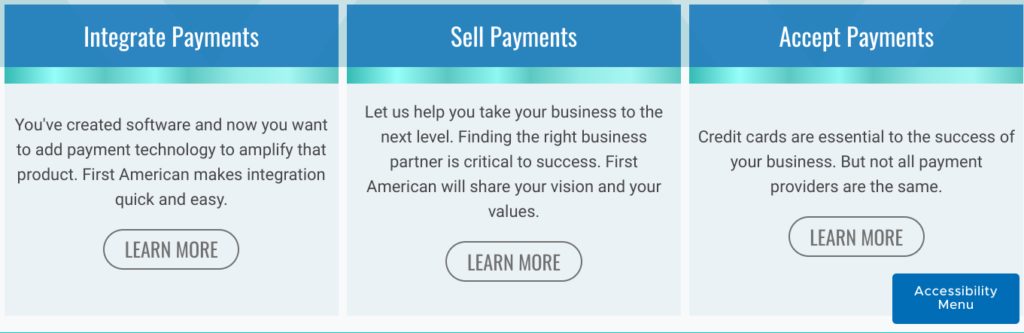
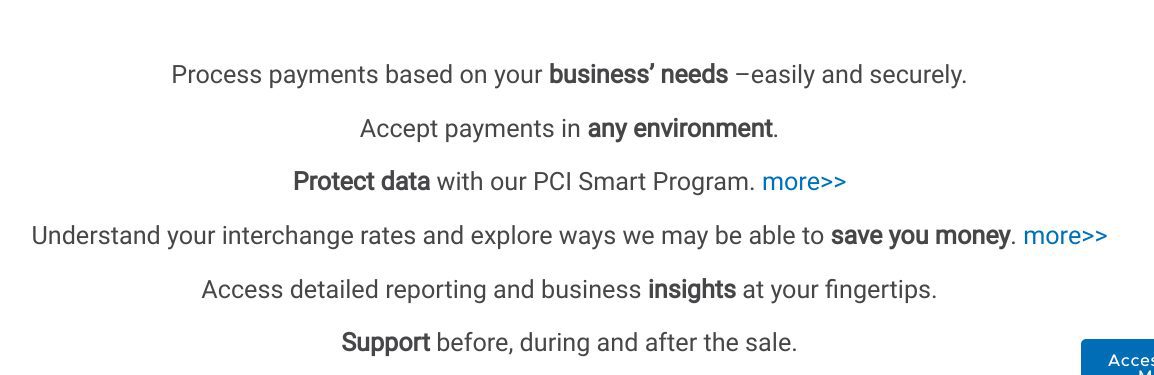

Scott
fees seem to creep up and lately they’ve been changing my limits without telling me and withholding deposits.
Mathew
This is all VERY TRUE! Was a customer of ten years and they still charged “early termination fee” as well as various other “fees” for PCI etc.
STAY AWAY and if you are using them QUIT !! Immediately.
ZACHARY CREEL
THIS COMPANY TOTALLY SCREWED ME OUT OF A COUPLE HUNDRED THOUSAND DOLLARS OVER THE COURSE OF 5 YEARS. NEVER PUT FAITH IN THEM JUST BECAUSE YOU TRANSACTION GOING THREW ON THE MACHINE AND IT SHOWS PENDING ON YOUR BANK ACCOUNT DOESN’T MEAN ANYTHING THAT CAN RELEASE IT AND YOU NEVER WILL KNOW YOU NOT GETTING PAID FOR THE TRANSACTIONS THAT YOU ARE PROCESSING.
justin
absolutely terrible and would never ever recommend i dont feel that i need to add to the stuff on here but i can testify that all of the bad stuff is true and wish i would of never done business with them at all……..
to anyone out there thinking this is a great idea its not
Brian Lipes
https://www.ftc.gov/legal-library/browse/cases-proceedings/1923166-first-american-payment-systems-lp
Merimac has agreed to a settlement making their leases null and void if you tell them it was obtained fraudulently. They cannot charge you anything. Just stop you ACH payment and wait for them to call. They admit no guilt it cheating companies for over 10 years, and paid 4.9 million in damages. The Texas Supreme Court will approve this agreement in the next few weeks. I got out of my lease just citing this proposed agreement…fax it to them and you will prevail.
Asim
Just like many other complaints on here. Based on my experience First American/Their sales organization is run with HIGHLY DECEPTIVE sales practices. There was never any mention of a monthly charge, or a contract length. The sales reps sold us on “lower payment charges vs the competitors” After getting the process started, i was alarmed at how rude their reps/account managers were. This was one of the worst professional experiences i have personally ever experienced. Most importantly they kept charging my account under very deceitful charges called “BankCard” charges. My bank was digging for months b/c their charges made it seem like they were from my bank. When i stopped payments going out. I got a call from First American threatening to keep paying them (for services we never used) or else they would send it to collections and get it reported all credit agencies and ruin my credit”. Keep in mind this is for NEVER using their service.
Their sales reps are full of lies to get to you sign something. This company outsources their sales to they can get away with highly unethical business practices. After lying to get your sale. They send threatening bullying letters to you to extort more money out of you. HORRIBLE business. I will also be reporting to the Attorney General. This company needs to be shut down. Consumer protection agencies and the AG are there to protect the consumer from companies like this. I will follow through with all of them as necessary. Complete scam of a company.
CPO
Asim,
Sorry to hear about your trouble with your merchant account. Perhaps this article could be helpful for you: How to Cancel a Merchant Account Without Paying a Fee.
-Phillip
Eunice boudwin
I contact the creditor who performed the inquiry and ask for their proof of authorization but got no useful reponse from them, they kept coming up with excuses and delay tactics, I was so frsutrated and annoyed as I needed to get a home but I was always been denied due to inquiries on my report. I had to make research on my own and I came across this repair with decades of experience whom I got in touch with (tom.lawrence114 at g mail com) he promised he would helped me get my credit fixed asked me for a tips and necessary info. Long story short, all hard inquiries were remoeved, late payment was marked on ontime payment, all debt were been paid off and finally my score increased to 800s(I wish I could show you my New report here but I can’t due to identity theft). I never doubted this great man cus I already read a lot of review and praises thou I’m not asked to share this but I feel it’s high time for we to Know that Credito or credit bureaus won’t get your credit fixed so you have to make a smart move to save yourself in time
Russell J Jergenson
Small business owners beware. This company is a complete fraud with very unethical practices. I recently purchased a business from a family member(my first time owning a small business). Going through the process I was informed that I would have to sign an agreement with this processing company or they would apply a cancellation fee to said family member. However, as I learned of their practices and fees I was very concerned. Nobody from their company could explain how the “fees” worked. That was the first strike. The second strike came to me by the PCI compliance department. New to the industry I had no idea what this even was, I would of appreciated the sales rep to inform me of this at the time of the sales call. Long story short F.A. told me that it was my problem and that I would have to hire an IT person to handle the situation. The third strike came about when I had a job that exceeded my processing transaction limit by $800. Instead of the company reaching out to me they contacted the cardholder and basically belittled my customer in a very unprofessional manner. This process took two weeks to be resolved during the time they took all of the fees out of my account without paying me for the transaction. After this, I was done with this company, so I reached out for help. I was informed by 3 different merchant companies that is was unlawful to hold contracts over processing fees. I called in and was informed that they would send a cancellation letter with a fee of $495 to be accessed. I told them they were not allowed to do so and the account rep then got belligerent with me and very agitated stating that they would ruin my credit. Since then I now received a letter with now breakdown on the charges for $675. Wherever they came up with that total is beyond me. I will be fighting this and hopefully someone reads this and stays FAR away from this company.
Small Family Owned Colorado Business
Ripped us off!!. Salesman promised lower CC fees as well as monthly fees. Sent us an “application” which is actually a CONTRACT for an 18 mo agreement. When we found out their program was not compatible with ours, we were told they would send us a different one but did not tell us the cost was much higher than we originally were told. Once we figured out that with that new cost we would NOT be saving any money, we did NOT download any programs or use their services in any way and were sent a bill for over $800.00. They would not allow us out of our “application/contract” and still had to pay a $450.00 early termination fee. Not a nice way to treat a small family business at all!! Be very careful as their salesmen are apparently not giving the whole story! I would NOT use these guys! Our fault for not reading all these reviews first!! Please, please save yourself the hassle and the money!! These people are a total SCAM!!!
Tony Cox
Sales rep incredibly rude and hung up on me when she felt I was not interested in changing. Would never work with this company based on this experience.
This post will help: Top-Rated Merchant Accounts
-Phillip
Leo
The worst company I have ever dealt with – please look at any service company other than Ist American – this is only my opinion but I have found them to dishonest and I will leave it at that.
This post will help: Top-Rated Merchant Accounts
-Phillip
kamahl kimble
First American payment is out of line with there policies and the way they conduct business. First I have never signed Whatever it is they are claiming I signed especially for some kind of contract that requires to be committed to there hidden terms. They have agents that solicit services from all barber shops to salons in the Orlando area as well. This company First American payment system also known as “Cypress Bay Solutions” 100 throckmorton St. Suite 1800 fort worth tx, 76102 same address has charged my personal credit two separate accounts for $753 and $934 trying to resolve this issue is impossible deal with this companies very rude collection manager (Jeryd H) who has also threatened me as well stating that “I don’t pay my bills anyway that’s and that I should have read the fine print. Fedelity creditors services carries one of the collection and completely lied saying I admitted to me signing a document in a previous complaint with the consumer protection bureau. I did not sign documents for no contract with this company nor have I received any supporting documents showing otherwise as I requested from both agencies. How can a company continue to operate like this? The agent clearly recognizes the fact that I was never committing to any contact with this company. I now have two debt collections on my credit that has hindered me and my business from any future credit relationships. Bottom line deceptive, rude customer service, unaccountable, and a thuggish approach to rectify any wrong doing against small business owners alike.
This post will help: Cancelling a Merchant Account Without Paying a Fee
-Phillip
Excellent Trust
My employee found out that Merimac broke in our two cash accounts and took -$879.41 from each of the accounts, under the name :Merimac lease collection.
My complain is based on the fact that Both of these two transactions were unauthorized and unscheduled since we have never have leased anything and or request a service from Merimac. I am struck and shocked beyond normal: How much power they have sweep our business accounts without prior authorization or consent. I never expected that something could exist legally in the world of business.
My bank investigated the transaction and from the internet search, we found that they were associated with AppStar and/or 1st American payment processing. BE CAREFUL NEVER DO BUSINESS WITH ANY OF THESE COMPANIES.
I initially blocked the merchant services from getting to my accounts. It caused me so much pain and anger that they take a lot of fees. In fact, I was tired knowing they were taking bankcard fees twice under the pretext that we have two bank accounts on the same terminal. The terminal that we have used was our own property and cost us about $20 only from Ebay. They broke into my account using a different name. They used this time the name of Merimac lease Collection. I never heard of this company before. It has the worst reviews all over the net.This is Fraud and it is a SCAM. How many businesses could legally take money from accounts just because they could break in the account?!
Now, as a result of this fraud, both of my accounts are overdrawn and won’t be able to pay my business bills, not even my utilities and fuel.
This post will help: Cancelling a Merchant Account Without Paying a Fee
-Phillip
John Ford
This is a rip off company. Do not sign a contract with them. There are many, many other cc providers you can use. This company will not stop taking fees from our bank account even though we have not used their services in over a year and have sent them multiple certified requests per their instructions to close the account. Fortunately, their sales representative signed the contract in our market, so the local courts will be able to handle our case.
This post will help: Cancelling a Merchant Account Without Paying a Fee
-Phillip
Rebecca Wagner
This company will tell you anything to get you to switch to their service. The promised savings were non existent and actually cost more than my previous processor. I was told by the sales person that if I didn’t see any savings I could cancel at any time. When I tried to cancel I was told I could only do it by fax and that I had signed a contract agreeing to a $495 cancellation fee. I never signed anything and the company was unable to provide proof of the contract yet still charged me $495. I stated in a letter to them that of they were unable to provide proof of the contract and still charged me the cancellation fee i would consider it fraud. Guess they don’t mind being accused of fraud because they went ahead and took $495 out of my account without providing me with a copy of the nonexistent agreement. In addition to the cancellation fee I was also charged an annual fee which I was never informed of or agreed to.
This post will help: Cancelling a Merchant Account Without Paying a Fee
-Phillip
Terri
WOW! Just got a sales call and when I tried to help the salesman he got way rude, insisting on talking to my husband….NO WAY would I EVER use this company! I hope he calls back and gets my husband! He’ll hear about how I was treated!
This post will help: How to Report Bad Credit Card Processors
-Phillip
Ryan McGladdery
I have been in the process of trying to cancel our account with them for the last several days and I am getting nothing but the runaround. I have been transferred to multiple people who only want to transfer me to someone else. It is almost comical how poorly run the customer service has been. I would avoid this company at all costs.
This post will help: Best Merchant Accounts for Customer Service
-Phillip
louis debiase
I canceled my account with you on 8/ 1 2018. The person I talked to told me my contract was over in November and I would be charged until then fine. I also told her my account was closed so they would have to bill me, her ok. Then I get a charge on my credit card for over 630.63 . I called to ask why and was told they couldn’t charge my account da I told you it was closed. So I asked why and was told they don’t send out bills by mail. Please beware I was with this company for 21 years and they still found a way to get an extra 500.00 plus dollars from me. Good luck if you use this company for it’s services.
From The Editor
This Post Might Help: Cancelling a Merchant Account Without Paying a Fee
Mitch
Shady company. Called and were very elusive as to what they wanted. They finally hung up on me.
From The Editor
This Post Might Help: Worst Merchant Accounts
Dale Borgen
Caution when dealing with this company the sales people Lie Lie and tell more Lies, they claim the charges are cheaper than anyone else (another lie)…When you want to cancel they want $495.00 more money. Worst Credit Card Processor Ever….
From The Editor
This Post Might Help: Cheapest Merchant Account Providers
Beth
Our former Office Manger cancelled with First American to transfer elsewhere and did not realize that a formal letter needed to be submitted.
3 years later we find out that we’ve been paying full monthly fees for no service amounting to over $2,900. Now they want an additional $600 to officially cancel our account.
They’ve gotten enough from us for no services rendered and we’ve told them that we could sue them for all the back payments, but that we will call it even.
Nope. They want their additional $600. Well they won’t be getting it. It’s far too expensive to file a lawsuit for $600 and our credit is stellar so a little tiny blip won’t affect it.
From The Editor
This Post Might Help: Cancelling a Merchant Account Without Paying a Fee
Aaron
Credit card processing equipment was terrible did not work half the time or it was very slow. Ended up giving aways hundreds of dollars in business and going with someone else. They make you sign a three year contract if you cancel early you get charged over $400 and the garbage processing equipment was itself $800. Stay away from them.
From The Editor
This Post Might Help: Top-Rated Merchant Accounts
Daniel J Bishop
Worst company on earth!!! don’t ever sign a lease for their equipment even if the merchant processor tells you it is a month to month agreement that can be canceled at anytime. The merchant processor gave me all sorts of promises in writing and it didn’t do a bit of good when they failed to uphold their side of the deal. They charged more than they said they would and when I canceled I thought everything was taken care of but no. I kept getting charged $60-$70 per month for a couple of years. I finally had enough seeing as I had already over the time paid $2694.71 for a card reader that cost less than $250 to buy. I had my bank put a stop payment on them and the next thing I know they changed the debit name slightly so it would go through and stole $2057.54 on top of what I had already paid without my approval or any warning. It seriously impacted my business as I had not budgeted for that type of a hit. When I did a search on the internet I found they had done the same thing to 100’s of other people. If anyone wants to start or join a class action law suit against them let me know.
From The Editor
This Post Might Help: Best Merchant Accounts for Dentists
Jean Feukou
This is a worst Marchant you would like to deal with. I will never recommand, “God forgive me” I insist…i said…never… recommand this company to no one.
1- a 3-year contract with a $495 early cancellation fee outrageous. if at the end of the contract, you forget to submit a written cancellation letter within 90 days of the contract date, they will auto-renew and hold you into another year’s contract. their rates so high, if by mistake you want to sign with them I recommend to review their aggreement with your lawyer.
But I would not recommend them to anyone .
This is not a company to deal with…NEVER EVER DO A MISTAKE TO SIGN A KIND OF AGREEMENT WITH THEM. ALL WILL DO IS TO HELP YOU TO FAIL IN THE BUSINESS. Specially if you a new and small business without much experience.
I process a payment will them and they hold the money for non valid reason. I stop using their card processing machine, i NEVER send cancellation letter…but later i saw on my credit report $700 with a red flag and a poor statement saying personal guarantee for business.
They will try to destroy you personally by destroying your personal credit. Then your business credit. Now I need take their aggreement to my lawyer for review and figure out my options about this report on my personal credit.
Later I received from them a letter nonsense letter threatening to start a Bankruptcy process if I don’t sign.
From The Editor
This Post Might Help: Best Merchant Accounts for New Businesses
Rosemary Matthews
After reading the reviews, I cancelled my app with this company and got charged over $200. Be Afraid of them be very afraid
From The Editor
This Post Might Help: Cancelling a Merchant Account Without Paying a Fee
Lynn Kline
This company is horrible to deal with. They lie and cheat. They promised certain things and did not deliver. They are charging me for things they promised I would not have to pay for. Do not do business with this company!
From The Editor
This Post Might Help: Let Us Find and Eliminate Hidden Fees From Your Monthly Statement
STEVEN
This company is the worst, not reliable company. I had so many problems and I will list up some for the future possible customers. I was patient about 1 year but now it is the time since I am even not getting my money on time. 1. They are not paying my money on time. It is supposed to deposit next business day as contract, but I didn’t get the money for the below dates. 08/02/2018. 09/11/2018. 09/13/2018. 09/20/2018. 9/21/2018. For the small business owner even several hundreds is big money. Not depositing my money on time can cause me returned check, minus account, etc which can cause $35-$100 fee. As my experience with this company they will never be responsible the money which is caused by their mistakes. They are thief! Not reliable at all! 2. When we opened merchant account, we opened another merchant account for E-commerce as well. But they never connect properly with our online website, so we couldn’t make transaction through our shopping mall. So we kept asking them to fix it but never have happened for one month. Then we asked them to cancel the E-commerce account! But never happen again even cancelation for one month! And they kept charging us monthly service fee even though we didn’t get any services for their mistakes and their bad systems. We kept asking asking asking they just ignored. So we asked bank to block this E-commerce account not to pay next service fee, and we didn’t pay the fee for E-commerce merchant account. But then we couldn’t get our money from card transaction even thought it is different account, so we released the blocking. After all this effort finally they canceled our E-commerce merchant account. We told them we cannot pay all the fees for E-commerce merchant account since we never have get services for their mistakes and their faults!! This is reasonable. Right? But they don’t agree. They said they provided the service so we must pay!! Really?? I thought I was talking to wall. They couldn’t charge since we closed E-commerce account. Then they just went to another merchant account and they charge $100 in the name of annual fee which is not supposed to pay right now! suddenly! They can control my money even though account is different. Seems like they can do everything with our money! NOT RELIABLE. NOT TRUSTWORTHY. 3. The company for sales and the company for running the services are different! This is really big thing! I cannot get any services from both of them. Nobody wants to be in charge. They make an excuse for each other. When sales person try to sell they gave us wrong information, and running company is not responsible. 4. They have extra hidden service fee. PCI NON COMPLY FEE $19.95 per month. I never have paid for previous provider. Price went up after 5 months. They can raise this charge whenever they want. They said we can do by ourselves for PCI COMPLY not to pay the fee. No way. You will know nobody can do it by themselves…! 5. At the beginning we thought the service fee is less than previous provider. But now. Not at all. I don’t know why even we are paying more. Not the cheaper service provider!!!
From The Editor
This Post Might Help: Cheapest Merchant Accounts
Jean Feukou
Your are all right. Sir I have now a red flag on my personal credit because this company charge me more than $700.00 I never understood why the $700 for..
Now there are. Threatening me with a kind of Bankruptcy process. I have an appointment with my lawyer look over all this.
This company needs is the worst. Specially for small business owners
Do not do sign any kind of aggreement with them. They are thieves.
Megan
I was tricked into signing a 3 years contract with this company when I still owed the business. The sale rep came and made all the false promises about the functionality of the POS machines. After tolerating it for two years, I no longer want to use the machine. I shipped the machine back and demand for the cancellation. I closed my business bank account bc First American kept withdrawing money out from my business bank. I called to cancel the service so they want a $495 early termination fee. I kept ignoring them and had tried to send a letter to them from a lawyer —- yet, they are still after me bc they said that I broke the contract and that the POS system and totally separate from them. They sent me a Final Notice letter demanding for an unpaid payment of $786.83. I called and spoke to a rude woman by the name of “Regina”. She basically told me that it’s already on my personal credit and that the only thing I can do to clear this is to pay $786.83 or it will stick on my personal credit. They are such crooks! Why are these people still in business? What should I do now? I don’t want to pay them a dime of my money bc they are thieves!!!!!
Jean Michel Feukou
I have the same amount on my personal credit. This business must be shutdown. They are thieves.
Linda Stout
These guys are crooks. They lock you into a three-year contract, but it’s up to you to remember to write them the month before the contract is up and cancel. Otherwise, they assume you wanted to renew, and you’re stuck for yet another year. Or they’ll let you cancel if you’ll pay an exorbitant cancellation fee. I put a stop-payment on my account because I couldn’t find a contact number to call and cancel my ‘service’ (oh, but it has to be in writing), and they slipped in a $280.00 charge on another bank account. It’s not worth fighting them, but it is worth writing a review to warn others.
the car store
I do not recommend this company. I was misled by their representative. I was locked into a lease even after asking not to be put on a lease. I’m cancelling my service and now have to pay a termination fee. I’ll pay just to not give this company anymore of my $$$$.
Casey Christopher
Please stay away from First American Payment Systems.
Their leadership should be ashamed of what they do to small businesses.
The $495 early cancellation fee of their continually extending contract is such a rip off and a business practice of scam artists.
Randy Baun
Highly unethical, misleading, and criminal.
Bridgitte
Bad company! DO NOT SIGN UP with them!!! 3 year contract, monthly fees, early termination fee!!! Caused me a lot of stress!!! Bad people!!!
Sam
The worst company in merchant processing. Just run away and do not sign any papers. They keep charging your Bank account even after cancelling the service. JUST RUN AWAY FROM THESE CROOKS.
Lisa
Run away fast! They are crooks! The sales guy told me that their fees are 1/2 percent and $10 per month. Then they pressure you to quickly sign the agreement without giving you time to read it. They don’t tell you that your basic fees are over $60 a month even if you don’t run any cards and you’re signed up for a 3 year contract. Then once you see the fees and want to cancel they charge you $495 to cancel. Bad business practices!
Candy
i am taking Karen’s advice and closing the checking acct that they have access to. They have told me that a verbal contract is what I have – nothing in writing and that the contract was automatically renewed until 2018! Why are our state attorneys general not closing this outfit down?
I would like to hear from those who have closed their checking accts and what were the reactions by this crooked company. Thanks.
Bill Salmon
This company took unauthorized fees from my checking account, which I had to close in order to stop this. They then proceeded to trump up bogus charges and have sent me to collections which affected my credit score immensely. Beware of these crooks!
Mark Giannini
cathy how did you get involved with them how did they gain access to your acct. this company just charged my wife’s cc we are disputing charges and have no idea how they got info
thanks
Brenda Goff
Candy, I did this and now being threatened with filing a judgement against me. They have changed my credit score and ruin my credit… I actually do not know what is next.
The collections agent Kassi I have is so combative you can’t negotiate anything.
From The Editor
This Post Might Help: How to Report Bad Credit Card Processors
Christopher Wright
A bunch of scam artist and the manager Cathy is a complete jerk! I am going to expose their criminal tactics and shut them down for good. Let’s give Fox 4 News a call now and get the party started.
Bill Salmon
Would love to help shut this company down. Crooks who take unauthorized fees from your checking account until you shut it down and then send you to collections for fees you don’t owe.
LaKeisa Rucker
I cancelled my service and closed my account once I realized they were crooks and everyone that worked in my salon thought that I set them up to be robbed because they were taking unauthorized money out of their accounts. Everyone had to close their bank accounts because they were taking more money than what we were making in a week. They are still reporting on my credit and I closed my account in 2010! They need to be stopped!
Chris Shackelford
For years I couldn’t figure out what was on my personal credit rating from this company. Turns out it was their $495 early termination fee. Their sales person lied about almost everything.
As for the early termination fee, nothing was ever sent to get their fee which I would have gladly paid. Instead straight to a collection company.
Chris
Hi, this is Chris, I am in the same situation you are in. Did you dispute the matter how did you take care of it?
Dan S.
I have the same problem, I have been fighting them for almost 7 years on a collection debt I know nothing about! I’ve never received a letter or phone call, I’ve never used them nor signed anything stating I will pay them anything. Just started getting a collection file on my credit report. I’ve called for 6 years to find out and ask for a copy of my signature on the contract….NOTHING! they cannot supply me with anything, yet they refuse to take it off my report. So frustrated, But I will NOT pay them a dime! FIRST AMERICAN PAYMENT SYSTEMS ARE A SCAM UNPROFESSIONAL COMPANY!
Kennedy H
WARNING TO ALL NEW ENTREPRENEURS & SMALL BUSINESSES….STAY AWAY FROM FIRST AMERICAN PAYMENT SYSTEMS, ELLIOT MANAGEMENT, E-MG!!! Depending on what slick sales person you encounter they have about 7 different names of subsidiary companies that all have different rules and neferrious policies designed to trap and leach new businesses.
Dealing with them was one of my worse business experiences and almost put us, being a small company, out of business. First of all, working with them is like stepping back into the 20s. They will hold you to a contract like its a mortgage when companies clearly don’t do this anymore. I’ve worked with them twice and both times the same thing happen which is why I caught on.
They will lure you in with a no startup fee contract or something like this. But what they do is collect all the money they comped you by slapping you with a $75 equipment setup fee, ok whatever. They claim that if you don’t use processing it will be a set fee of around $30, wrong! This fee varied every month. You will never be able to calculate what it will be. There is no transparency.
I could go on and on but what bothered me the most about this company is that the upper management structure of the company is rotten, spoiled. Its like they’ve been there so long they have blind loyalty on a system that has so many holes in it its amazing. If you have a discrepancy with them and have to call in I feel sorry for you. For you will have to devout hours of barriers that they will throw at you and answering machines. I was finally able to get a manager on the phone by way of miracle and I could tell she had no idea what is actually going on in the field and what their agents are doing or not doing. And the agents don’t care what they do its only about a commission. So its like a system where the blind is managing the blind. You as a unsuspecting business owner will be left to pick up the pieces. Remember the old Sprint Network where they held their customers hostages for like a decade. This company is them but on steriods. Even if you did want to stay with them for some reason, you will still be losing out on lots of income due to the sliding scale of fees they have.
I wish someone would have told me to stay away from them in the beginning. There are so many other companies out there to deal with that offer the same exact services and more but without the hassle and transparency.
Karen
In order to get out from under these people is to close your bank account and re-open another.
I know because they cost me thousands of dollars by dinging my account without permission.
Once you give ANY of these people your banking information, you’re sunk.
Diana
Hi, they are trying to scam me to pay the 495 dollars. Did closing your account work?
kAREN
I closed my account AFTER they stole the $3,000 out of it. They continued to ding my account for a monthly fee for 3 months before I noticed it and THEN I closed the account. It worked to keep them out of my account…
You HAVE to close the account they have access to because they will NEVER stop even with numerous phone calls.
It’s not that big of a hassle; just watch your auto payments..
Diana
Wait did you have to pay the 495 for the termination fee? Did they continue to harass you with phone calls? I am not sure what should do beside closing the account with them and my bank account. I don’t it to damage my credit :( Thank you so much for answering my question as well !
Karen
I had a sale of over the contract terms limit on a Saturday. They have held ALL TRANSACTIONS since then and it’s wednesday. They are holding thousands of dollars because of ONE transaction and in the mean time bills, auto payments, employee paychecks, etc. are bouncing and costing me hundreds of dollars in NSF charges. The response from “DAVID” was, “we are not responsible for your lack of money to cover your bills”. YES THEY ARE since they aren’t letting me HAVE THE MONEY I’M PUTTING INTO THE BANK ACCOUNT!!!
I could understand holding the ONE in question but to hold all monies deposited into their machine for 4 days is (in my books) fraud and theft.
DO NOT USE THESE PEOPLE, THEY ARE RIPOFFS!
Karen
Continuing saga: One wednesday they released funds from the original transaction (on Saturday) at issue but not the funds from the following Monday so I called again and was told that Monday’s money was held also since the account was on lock-down from the ONE transaction on saturday. Now, there is NOTHING ethical about that under ANY circumstances. They have taken the money from all of these peoples accounts and just HELD ONTO THE MONEY without releasing it to the person the funds were intended for. One person offered to put stop payment on it and bring cash but I told them no, it would just cause them trouble because these people are just plain crooked and hateful to boot. They are rude and condescending on the phone and act like YOU’RE the crook.
Nathan Neighbour
HORRIBLE experience. We had to cancel after 4 years of working with them and were charged $495 to cancel. On top of that, the cancelation wasn’t submitted properly, and we’ve been charged for four months since. To make matters worse, they voluntarily sign you up for a $30 a month subscription to their insights program. It requires an additional phone call to shut off that service. It’s a nightmare… still going on after 4 months.
kAREN
CLOSE THAT BANK ACCOUNT!!
Nancy
I only have these folks for their Gift Card Program. I recently changed banks and when I phoned to find out how to do this, I was told there is a $35 fee for them to change the number on my bank account. What a ripoff this is!!!
Lorie
I agree with everything said here. These guys do not disclose any of their fees to cancel, sell you machines on long term leases, and then do not notify you of renewals but do have your number when you do try to leave. Outrageous business practices. STAY AWAY FROM THEM.
Marc Johnson
These guys are true CROOKS
They took $1800 out of my bank account and this was well over two years after we left them.
If you are using them or have you will need a good lawyer.
Bontronics
Blue Dog is one of the credit card processors who utilize FIRST PAYMENT PAYMENT SYSTEMS. I received a phone call from BLUE DOG. They told me the fees would be only 1.5%. No mention of all the other fees totaling $51.45 per month whether or not you use the service. I called to caancel the services and they quickly transferred the phone to First American and the gentleman (term use loose) revealed to me I signed a THREE YEAR CONTRACT and that early termination fee would be $480.00. I responded, I never signed a contract neither was I informed that there was a THREE YEAR CONTRACT. I requested a copy of this contract and he sent it via fax. When I examined this contract (which I’d never seen) There was NO signature signed by me. They conveniently typed in my name. The area just beneath the typed signature was to be signed by hand was BLANK. I placed a stop payment with my bank. I also received a copy of the stop payment via US mail. First American still slipped in and pulled out the fee of $51.45. They have a system that the bank can not stop because they have my bank account’s routing and account number which I initially faxed a bank draft check. So after speaking with a my bank,the representative instructed to drive to the local branch, closed the account and open another account with a NEW routing & account number. This is time consuming and stain against FIRST AMERICAN PAYMENT SYSTEM. I will also report this to the FEDERAL TRADE COMMISSION for FRAUD. They are messing with the wrong business owner. I hope this information will convince you to stay away from BLUE DOG credit card processors who are connected to FIRST AMERICAN PAYMENT SYSTEMS. THEY NEED TO HAVE THEIR BUSINESS LICENSE REVOKED. WARN YOUR FRIENDS OKAY!!!!
Whitney Holland
What ever came of this? Going through the exact same situation right now.
Kenny Lewis
I would echo the concerns of the other complaints. Do not use this company. They charge you hidden fees including extremely high cancellation fees to get out from underneath them.
Harrison Kamau
I had a contract with another company then one of their sales from USB payment processing came to our office to give us better rates. He made cancel my earlier contract and I had to pay fees for it. This sale guy promised me he will take care of the contract issue which he didn’t. When my contract was over I called the USB because my contract was over and wrote a letter to then stating that. To my surprise the FAPS send me a letter saying I have to pay 800 dollars because of terminating the contract yet I had spoken to USB and their clearing said my contract was over.
Their sales guys are bogus and its a total rip off.
corina vazquez
I was told they were going to charge me 12.00 dollars of month. This is totally a misinformation ripoff . I”m planning to cancel this services. Every month I get my monthly bill high and higher. I will post my outcome after I request a cancelation. I was told no contract ; month to month deal. More likely this is not true.
Karen
The only way to get out from under this contract is to close your bank account and re-open.
Barb
Beware Rapid City SD small business owners that have been contacted by this company wanting to provide services for your business. specifically Sheena Meyers, local representative. Once this company gets your bank information they take money from your account for services not rendered, for equipment they say you still have (which the rep. Ms. Meyers has but has not returned to the company). They signed one local business owner and after the whole month of February, this business still did not have a working credit card machine to use, but yet this company has taken money from their bank account, to the tune of several thousand dollars!! Beware, this company is very shady.
Gina Carter
This is the worst company ever! Totally lied about the charges they would be charging me. I called several times and verified that there would not be any interchange fees and there my bill was $148 the first month and $121 was interchange fees. The second month the bill was $248, the net income only $500 more but the interchange fees were $190 this month. They also flag random charges and request more info on them and then they call the customer for verification. This whole process holds up your payment several days. Total scammers!
—
Are you with First American Payment Systems? Learn how to resolve this complaint.
Erick Bishop
Company is charging me $1920.00 for equipment I don’t have.
I should have never switched from my old processing company. Now I have to pay $450.00 to cancel the contract and keep the scum bags from stealing anymore of my money……
DO NOT USE THIS COMPANY!!!!!!!!!
Debra W
Worst company I have ever had the displeasure of working with. First I was duped into signing a 3 year contract, only agreed to one year trial. My fault, I didn’t take the time to read all the paper work given from a smooth talking sales rep. After honoring my required 3 years, was automatically resigned for 1 year without my knowledge. Called the company in January to cancel and was told there would be a $495.00 fee for canceling, or I could continue with service until August 2015 at which time I could cancel for no fee. I figured I’m not using the service how much could a monthly fee be. That’s right folks 63.00/mo and I never swiped a single card. I just called to cancel again and was told there will be another $495.00 cancel fee because I didn’t give more than a 30 day cancellation notice. I believe it is approximately 26 days.
Obviously this company is desperate to make money any way they can including cheating honest people out of their hard earned money. This also explains the D rating given from the BBB. I believe the BBB is being very generous with that rating. I hope this will help one hard working person trying to run an HONEST business. Stay away from First American Payment Systems L.P (Summit Merchant Solutions) The most Dishonest, Deceptive, Despicable company ever.
Kiet Thich
I have the same problem like you. This company is cheat. They sent the sale representative to my store for processing credit card. The sale person was not honest. I was told there were no cancellation fee and free 30 day’s trial. It was not. This company link with Northern Leasing which is the credit card leasing equipment. They are cheating. They sent me the credit card terminal for free to use. But when I cancel Northern Leasing ask me to pay $5000 for the equipment lease and American Payment System want $2000 for cancel merchant. Beware of them they are work together to scam. I am waiting for hearing from court. They sent this to Collection Company, but you can remove them because the court has not yet order for collection. Dispute and go to court. You must answer to court. If you win ask them to pay back what you lost.
Don’t take small company for your credit card merchant. Go to your local bank for merchant.
Now I have Bank of America for my merchant. There are no contract and no fee for cancellation. My credit card fee is between 2.5% to 3%. Buy your own credit card terminal online. Have local bank processing your merchant.
Amazon.com is selling many kind of credit card terminal. Ask your bank merchant which terminal they can process. Local bank merchant also have terminal for sale or rental. It is cheaper to buy your own online.
Other merchant I have also use is the Square. I use from my phone for processing merchant. Square fee is 2.75%. I have use Square for 2 year now. Square does not have contact phone for support. They use email to get support. I have no problem with it.
Since I’ve learned the lesson I have many merchant companies call me and asking me to change the merchant for lower discount rate. I decline them because many of them are scam merchant, especially a small company, merchant agent or broker.
Trust me your local bank merchants are more dependable.
KIMBERLY HELLER
I have been with First American 1 yr in august, 2014. I have been unhappy with them after the first month.This company has very dishonest in their practice. They will lock you into a 3 year contract and continue to raise your rates and fees, on top of adding annual “compliance” fees of hundreds of dollars. They lied about the turn around time and the terminal is ALWAYS going down. I finally got fet up with dealing with them and began to look for a different company. They will not let me out out of the contract with out paying $495 in early cancellation fee. They were unable to fix the term anal. telling me they would have to send out a new on or better yet, spend yet more money by putting in a new phone line and they will send out a different type of system. I never will recommend this company to any one. Stay very far away from them!
Jim
I called First American Payment Systems to find when my “renewal date” was coming up and they informed me it was May 31st, 2015 which was about 6 months away at the time. I already knew the date per my contract. I told them I did not want to renew so they advised me that I had to fax a written letter as soon as 90 days before my renewal date but no less than 30 days before the renewal date. The lady was very short with her words and seemed very annoyed by the few questions I had. The whole conversation left me feeling a bit concerned so I decided to investigate online a little bit about this company. After reading many negative reviews about cancellation fees and sneaky tactics, I decided to call back and confirm what the first person had said. They said the exact same thing… And I recorded it with a portable recorder ;)
I faxed my cancellation letter 80 days prior to the renewal date and received a phone call about 30 minutes later. They were calling to say my renewal date is May 31st, 2017 and I would be charged a $495.00 cancellation fee if I wished to end service May 31st, 2015.
When confronted with the recorded evidence, they agreed to end my service with no cancellation fees which I also recorded.
How shady is this company? Please record every conversation you have with them! And ask for names and phone extensions!
Ray
Stay away from these guys. Just like everyone else here, we got screwed by FAPS with only 4 months remaining on the contract and got charged for early termination fee of $495.00. We had no intention to cancel but the account was closed by them saying our bank account was no good anymore. We moved to another State last year and notified them of the changes but the transition did not get coordinated well by their staff. We notified our new bank account and our new corporate information but it was probably not handled correctly by them and our account got cancelled. Ended up running about $160K through Paypal terminal. We were very happy with Paypal services so we decided to stick with them and dump FAPS by paying the divorce settlement. No contract with Paypal and their customer service is just great. Happy with their fees too!
ccollins
I will never use First American Payment Systems every again. I had used them for 2 years and 11 months when I found another merchant processor for much less. The contract was set to expire on 9/16/14, so I called them on 8/27/14 to close my account. But, since I called 20 days before the expiration date instead of 30 days, my account automatically renewed for 12 months, and there would be a $400 early termination if I wanted to close the account. I told them to bill me the early termination fee and close the account.
Now, it is 2/11/15, and I just noticed that they have been billing me $60 per month. So I called them again and told them that I cancelled on 8/27/14. They said since I did not send in a cancellation letter (which they never told me about), I still have to pay the $400 early termination fee + I would NOT receive a refund for the $360 in monthly fees ($60 per month x 6 months).
Anthony Marocco
After doing business with FAPS for several years, I found that trier discount and fee schedule was about 40% higher than competing processors. I switched to a new processor and called to cancel my account with FAPS, I was told that my contract with them automatically renewed every year and that I had to pay them $450.00 to cancel. I told them that I was never informed about this renewal, in fact the salesman assured me that all the terms of the contract were standard terms for industry, and I need not bother to read the contract. He assured me that he could take care of the paperwork for me. Since he was married to the daughter of close friends of mine I trusted him. FAPS has a stratified fee schedule supposedly base on the extent of verifiability of transactions. But even when cards are swiped and verified the same way, the high dollar transactions are subject to subject to higher discount fees. I found over the years fees kept increasing and discount rate were always rising on top of a new $150.00 non compliance charge. I refused to pay the cancellation fee, and now FAPS is attempting to ruin my credit rating. FAPS should be avoided by all merchants.
Kelly
I wish I could rate them 0 stars. I am currently in the process of sending their contract over to a class action lawyer to try to get them shut down.
I had a representative knock on my house door randomly and tell me we had an appointment, even though we didn’t. I wasn’t even working at the time, I was on maternity leave. They convinced me they could save more money than my current cc processor, Bank of America. I was hesitant, but their sales rep was very pushy and proceeded to fill out the “application” for me, and I thought, ok, I can always cancel the app after I read the fine print etc. if I am not happy. I signed what actually turned out to be a 16 or more page fine print contract with them that is bulletproof. I called immediately and cancelled, as I realized they were sheisty and did not want to deal with them. They informed me that the order was cancelled, yet when I came home 3 days later, there was a cc machine on my porch. I called them and demanded they take back their equipment, as I didn’t want to use their services. They then proceeded to send the sales rep to my house again, in a 5 minute window, and she convinced me to try their services. My son had a dr’s appt, I was trying to leave, and so I said fine, thinking I would simply deal with it when I got home from the doctor. She took my contract, wrote in 30 day trial instead of 15, signed her name, and left. I promptly called as soon as I returned home, asked what I needed to do, and was told to send a letter cancelling the service and send back the equipment, which I did that day. This was in December 2013.
June 2014, I start getting calls from David with First American, and letters demanding I pay $688. and some odd change for cancelling my contract. On a machine I never even turned on, and cancelled the day I received it. I called, him, he was rude, demeaning, and refused to listen to reasoning. He kept saying I should learn how to read a contract. This went on for a couple of weeks, daily phone calls, me asking to speak to someone over him and him stating that he was the end all for my account. Their company is filled with DBA/s and affiliations and he informed me that I called the wrong company to cancel my service, and I should have sent the letter to them and if I had read the contract I would know that.
He then proceeded to call me back and informed me he had pulled my credit, because the contract gives him permission to, which is rocky due to deaths and a divorce, and berate me for every single thing on it. He then informed me that when my Carmax car breaks down and I am homeless because my marriage will fall apart and I won’t be able to buy a house, I would wish I had taken better care of my credit. He then said to enjoy my deadbeat life living off of my husband and let him know how that works out for me and hung up.
Needless to say, he crossed a line and I will do everything in my power to cost him his job and hopefully shut this company down.
Veronica
Hi there, we are going through the same thing and would like to know if you still have an attorney, would really like to shut them down as well.
Karen
I got the same “David” on the phone who proceeded to tell me that even though they were holding THOUSANDS OF DOLLARS of mine over ONE (1) transactions for 4 days, it was not his companies fault if I “don’t have the funds to cover all the NSF charges coming through” my bank account. They locked my account to investigate ONE (1) large transaction. My question is STILL ” I can understand holding the ONE day’s transactions but FOUR DAYS of MY money”???!!!
These people are VERY unethical and sleazy! DON’T do business with them!
My experience was, by the way, not the first time I butted heads with these people but I’m under contract so I have little choice but to continue with them because they’ve already threatened me to ruin my business & credit.
Travis
I got a call from 1st American claiming I have a contract with them.I told them that I don’t and When I told them to stop calling David started calling not stop for 30 min until I finally had to unplug my phone.
Deena
Almost every element of my experience with First American / Elloitt Management is reflected in many of the accounts above. I won’t go into a lot of detail here, but they had an elderly lady with whom my company had done business years ago get to me on the phone, then work her way into my office. She elegantly and sweetly told all of the lies they obviously teach their sales people. I told her I would look into possibly changing to her service. She finally left, but pestered me relentlessly for over a month. When she came by a second time to “seal the deal”, we were in the middle of a payroll audit and I asked her to come back another time. She insisted that she didn’t mind waiting, and that what we needed to do “would only take a few minutes”. I was unaware at the time that what she meant was, “so there won’t be time enough for you to read all of the TINY print in our contract”! I got called away, so my office manager actually signed the contract. A LOT of things transpired in the interim of a few months, but just today, a man calling himself “Kenneth” called from Commercial Services Group and threatened to put the $525.00 cancellation fee they have been alleging we owe and have been trying to steal from our bank account ever since we cancelled, on my office manager’s personal credit. I asked Kenneth if he really realized what he was doing, who he’s working for, and how he sleeps at night. He just calmly replied that he usually goes over the contract with people thoroughly so they understand why they owe the money. Then he said that the problem is usually that people don’t actually read the contract before signing it. There has GOT to be a way these crooks can be stopped. They need to be put out of business. Any suggestions?
Kathy
Is there anything that can be done about this company? They have been charging me 29.00 per month on a lease for a terminal that I already had bought and owned from another processing company.
Chuck Vosburg
I had problems from the start with this company. The only people who would talk to me were from their loss prevention department or collections department. I got absolutely not return calls from their customer service department. I had funds which were charged to my customers credit card. These funds exceeded the “high ticket” amount of $2500 First-American had set. However, when I had originally reported my highest ticket amount, I reported $10,000. I believe that by lowering the high ticket amount, regardless of what was reported, that this gives them use of your funds without releasing them to the business. This is what happened to me, and the charge was $7185.00. First-American froze and held those funds and told me that they would be held for 1 year unless I released my bank records to them! This is extortion! I refused to release the records, and they told me I had no other recourse. I contacted my lawyer and he recommended that I process a return on the charge and have the customer write me a check instead. I asked my customer and he was agreeable. I contacted First-American to let them know what I was doing, and only then were they forthcoming and said that was another option. I also found out later that they cannot hold my funds for 1 year. They can only hold them for 180 days legally. Another lie!!!! Do not do business with these people. They are crooks!
David
Same thing just happened to me. This is causing a cash flow problem with my business. These people are scammers. Do not do business with them.
—
Are you with First American Payment Systems? Learn how to resolve this complaint.
karen
The SAME thing happened to my company. They were extremely uncooperative and rude about it.
It took NUMEROUS phone calls to settle this dispute AND I went to their downtown office location which DOESN’T EXIST!
Varga
First American payment systems is the most crooked bunch of people I have ever come across and the thing is that they get away with theft. They have it all figure out and will screw you to the wall no matter what you do, unless you are a big time lawyer in Fort worth Texas, there is nothing you can do. If you do anything to even hint that you are going to cancel your account, they will raid your bank account and take money out and can use different names and ID numbers t get into your account. Beware, Beware, Beware, do not give your bank information these dishonest people.
David
I would stay away from this company as they are not business friendly at all. I ran into problems with switching merchants and First America Payment sales pitch promises to take care of the previous merchant but yet 2 years later the previous merchant was still charging my account. When I finally sent letters to close the account they said they never received them.
As far as contracts go, they charge a whopping $495 ETF, which is substantially higher than any other merchant. Their contract has references to a Merchant Credit Card Processing Terms and Conditions which is not signed or initialized but yet they expect the merchant to adhere to what it says.
Not to mention the area where you sign is so small that can barely be read.
I will never utilize this company or any company associated with them.
Timothy Walsh
A tale of caution concerning their sales practices because not everything the sales people say can they be held to in the future. This isn’t insurance where regulators hold the companies to their agents’ claims. Wait to sign an application until they underwrite and can match your current provides per transaction limit (the catch is they won’t offer to process your business without the application). Nasty! I had a difficult experience with FAPS through a sub-ISO Trinity Merchant Group in Fort Worth, TX, sales rep Darcy. They were unable to underwrite me compared to my current Merchant provider at the time. However, I was not notified of this in a proactive way and they claim to mail out the notice of acceptance. I had to call to get the information and their was no mention that my application and expectations would not be met. They accepted my service, and when I went to process my typical transaction size, they held it up on account that my allowable per transaction amount had been exceeded. I called to resolve the matter explaining that the sales rep and I had a lengthy conversation, and that I provided a history of the size of transactions that were generally processed, and of the need to match what my current merchant provider allowed. Needless to say, they were unwilling to underwrite me to the level I needed to transition away from my current merchant. In response, I requested my account with FAPS be closed. They proceeded to notify me that I would need to pay a $475 cancellation fee. Ouch! For them not to be competitive with another firm, I have to pay. This isn’t a matter of read the fine print. It is a matter of regulation. That are not required to present an competitive offer prior to signing a contract, and even when they fail to compete, you have to pay to get out of the contract. Not utmost good faith! I am not sure why they practice business in such a fashion, or why so many Banks and other affiliates support FAPS. Near the end of last year, the Better Business Bureau (BBB) awarded First American Payment Systems an “A+” rating despite 149 complaints filed within the last 36 months. Of the total, 80 are regarding product and service problems, 56 under billing and collection disputes, 10 under advertising and sales issues, two regarding guarantee and warranty issues, and one under a delivery issue. At the time the report stated that First American Payment Systems had resolved 127 of the complaints but that 22 merchants were not satisfied with the company’s response. Sounds like FAPS spends a great deal of money making sure their online reputation stays unmired by such practices. I guess my $475 will go to that cause. Unfair trade practices and deceptive sales practices, beware or be a victim.
ZST
a couple mo ago, a sales rep from “trinity” came by and gave some competitive rates. we went to our current merchant acct holder, who said that the rates were good, too good and too make sure there were no hidden fees. we the sales rep came back we made sure of that, he repeated no fees, no contract, terminal is included….i told him i “own” a terminal that we were using and he asked what type/kind and said that will work, but also in the same breath says- we can give you a new one… NOT lease, not rent, not to BUY.. give you one- i asked specifically if there was a charge- since why would i want to lease one when i had one that would work?!?
over the next 2 mo, my statement showed a $179 charge “merimac lease payment”… and later bankcard annual fee $95– no phone #, no details… it took me awhile to figure out what these charges were about and called the merchant. the trinity sales rep did talk to me then and again, said no fees, no lease….and he would look into something and call back. Never heard from him and he will not return our calls….. PLUS we got ahold of merimac and they say YES you are leasing our terminal. there is a lease, you signed the contract. we never got a contract so we ask for copy and they send one with my printed name and signature, but i am POSITIVE it was “blank” in the spots for lease, fee, etc…. the sales guy said again, no fees, lease….
the contract says noncancellable lease for…. (handwritten in) “60” …months, at the rate of (handwritten)….$149 plus tax… we dont even have our office space lease for that long and that rate would have DEF caught my eye (esp since i already own a CC terminal which i pd $199 total!). the initials next to each line were NOT how i write my initials- the rep filled in the lease amt and term after me signing the bottom and then forged my initials on the side…
DO I HAVE ANY RECOURSE FOR LEGAL ACTION? it is clearly a forgery. after reading on here, im not sure what to do first– should i close my bank acct first before yelling at them? it seems like there a lot of similar stories on here– has anyone had any justice???
please help– philip i would love your advice as well and some guidance on how to proceed. I am a health care worker and really just want to help people- sad to see that there are these kind of liars in the world.
TinnenR
I had a very similar experience and am filing a complaint with the Wisconsin Attorney General.
KIRK
This company is a complete scam.I signed up merchant processing with a completely different company and then they forged my signature on a lease with Merimac Capital. I brought this t their attention and they have been very difficult about this. This company is legalized theft.
kathy Gonet
BUYER BEWARE……..when selling the service you are given a begin date and end date as with any legal contract. However, First American Payment Systems neglect to mention the fine print and I mean very fine printing on the contract which discusses an automatic renewal date and subsequent deadlines and fines. Apparently, my notification of cancellation was a few weeks later than the auto renewal date and thus will cost me close to $100 + to close the account. Reminds me of those notorious deceitful gym memberships that have been doing this for a decade or so. Typical scam artist tactics………hold them hostage so they will continue to pay. Sorry, not this girl. I’ll pay the hostage fee, but will move on to a more honest and reputable company with a much lower monthly fee.
Selma
RUN AS FAR AS YOU CAN! This company is the worse thing ever. When you speak to them about signing a contract they say the best thing ever. All the good things you want to hear. Soon as you sign over, that is when the problems START! First your terminal will not work, than It would take forever to get it fixed. Than they would lie about all the fees and monthly fees. I Signed a contract with this company, they first said If I purchased the terminal I would not have monthly fees of 15 dollars and so on. Only transaction fees. When I got the terminal I had so many problems with it, It would not function what so ever. I had to call to have them trouble shoot me through the problem. After It was fixed I was told I will have one month free of charge for the transaction fees. YEAH RIGHT! I got charged double the amount of it. Than they started taking money out of my bank whenever they wanted too. I ended up switching bank accounts I needed a different bank account and they ended up canceling my services without asking me, sending me a letter and threatening me that I WILL BE SENT TO COLLECTION. I started getting NASTY LETTERS, Phone calls that never would stop. They hang up the line than call back and say “oh your on collection” hang up call back ” oh your credit score is this now” hang up call back ” oh see you at court”. Until I unplugged the phone lines. IDIOTS! When I tried calling to speak to someone OH MY GOD! THEY ARE SO RUDE AND AGGRESSIVE ON THE PHONE! I never met people like this in my life. They ended up wanting to charge me 700 dollars because THEY CANCELED MY CONTRACT! and when I told them I had 30 days to cancel they said NO! Not right. You must be on contract for 3 years. THEY RIP YOU OFF AND TAKE AS MUCH MONEY AS THEY WANT FROM YOU! WORSE COMPANY EVER. DO NOT GET INVOLVED. I have friends with the same problem and they will never ever pay them their so called “amount due” AND neither will I.
Edward T
One of the WORST companies I have ever dealt with. They purposely make the “closing process” difficult so you can’t close your account. No one is available in the chargeback department, just the worst service! What business owner has time to wait on hold and deal with these people? I will NEVER do business with them again. First American Payment systems SUCKS!
Stacey Rose
If you are thinking of going with this company DON’T….there independent agents mislead you in so many ways and the things they tell you sound good but the office not honor anything. I was told I had 30 days to cancel with no fees. After 2 weeks with unsatisfactory business dealings with the company I cancelled. I was charged a 700.00 early termination fee in which I have been fighting. They send nasty letters in the mail but to get someone on the phone to talk to is extremely difficult. STAY FAR AWAY FROM THIS COMPANY!
Nancy
I contracted with apparently and independent sales rep. for this company. I contacted customer service to inquire about closing the account due to my business closing. I was told to fax on company letterhead the effective date to which I would like the merchant account closed. I complied and faxed document to them. I closed the business on 4/1/13 and placed my bank accounts on hold. This company attempted to automatically draft $700.00 in early termination fees. I contacted the service dept. to find out about the early termination fees. I was informed that the contact has an auto renewal clause (which I was not made aware of). I informed the rep. that due to the nature of my business, I NEVER sign a contract with an auto renewal or over the term of my lease – which expired on 12/31/12. I requested a copy of the contract emailed to me, to verify that my signature was on the same document the rep. was seeing. I also asked if there were any additional notes on the contract that specified what the terms would be if my contract with my product line was canceled or my business closed. The reps. informed me that they could not provide an email copy nor were there notes on term changes (which I require if signing any contract over 1 year – out clause required). I told the rep. that I was not going to approve the early term. fees to be paid because of the fact that she could not provide proof that the contract on file was the original and that due to my typical business practices that I would have never signed a long term, auto renewing contract without an out clause due to my line of business. Today I have received a written demand for payment of $770.04 which I will not pay. This company is not reputable, I believe that the contract that I signed was not the one submitted.
David Sorenson
Our experience with First American Payment Systems was the worst business relationship we have experience in 18 years in business.
Their agents proved to be incompetent and did not inform us of details buried in the fine print, particularly the early termination limits or fees. We were so disgusted with their service, that we did terminate only to have heavy handed collection tactics imposed.
Our dealing with First American Payment System proved to be the most odious, onerous business relationship we have ever had.
Mary Hakkinen
I have one word for you if you are thinking of doing business with these people – DON”T. Had nothing but problems with them, and no solutions for weeks at a time. My rep had a “full mailbox” every time I called, so I would call the company to be put through a lengthy series of – put in these numbers and press this…and now try this…all during business hours. Once I lost customers for two weeks due to the machine not working and no one from the company helping solve the issue. They are now try to extort almost 600.00 from me (monthly fees for months that I didn’t use them & blocked them from charging my account& early termination – I had a year left apparently, although my rep told me there was no cancellation fee) with threats of ruining my credit. STAY AWAY FROM THIS COMPANY!!!
jay
What ever you do don’t use this company. I signed up because they made it seem like I would save all this money. But they have hidden charges with their own hidden charges. And In the sign up sheet it stated I could cancel with them for $400. Which I found out is BS!!!! That is just to cancel there credit card services. They don’t tell you you are locked in to the dumb ass equipment they talk you into for these great savings. So I was fighting with them for a while. And they finally let me pay $865 to get out of the credit card machine and contract. In the mean time they sent me to collections trying to get the rest of the money. So they screwed my credit and I still had to pay a lot of money plus return the equipment. SO RUN!!!!!!!
Nora Acuna
My contract was up, so I called in to cancel. They told me to call back, when I was ready, which I did.
They also told me they had renewed my contract. I did what they had said and I had to pay 250.00 to get out of the renewal.
I had called them up 6 months in advance and they had told me to call back, before it was up, which I had done. They told me then that they told me to call back 90 days before it was to renew. If they would have told me that, I think I would have done that.I called 30 days before it was to expire, like they told me when I had forst called them up and told them I was going with a relative, that is when they said they renewed my contract.
They were not honest at all in dealing with me.
I think I would not use anyone like that for your Business.
Sound Bodyworks
I recently cancelled my merchant services with FAPS after missing my “window” for 2 years. I faxed in everything they requested. I called to verify they had received my cancellation (25 minute wat for the “specialist”) and it had been received. When the renewal date came up, they charged me a renewal fee and naturally the “specialists” wait time was upwards of a half hour. REDICULOUS! I wouldn’t recommend them to anybody.
Michelle
Everyone here is correct. Heed their warnings and stay away from this company and it’s affiliates. Just filed with the BBB here locally on Eliot Mgmt Group. They care charging me the 525.00 xcel fee when my contract states only $495. Not sure how they can do that. I was told no cancel fee and low fees. Only had their machine for SIX days and told them no thank you. Now it’s a battle. They have tried to dun me for 574.33, 525.00 and made offer of 335. I blocked their auto drafts from the checking account but they still try to run thru odd amounts. Crooks! The whole lot of them. How can they stay in business?
Tammy Eaton
The company is now threatening to sue my small business. Which is uncalled for. We were told there would be no PCI compliance fee and there was. That was the first question I asked if they charged for pci. The representative told us his company took care of that cost to help the small businesses with overhead cost. The monthly fees were not lower but higher than the previous processing company. Never used the credit card machine and was still higher than the other one with credit sales included. Broken promises all the way around.
Now they are wanting to sue us for breach of contract.
Doug
These guys are the true crooks of this country they are one of the reasons small businesess cant exist I just recently I got a call from their extemely rude collections department saying I owed them 299.00 I told them to send a bill they wanted the money at that second I hung up on them they called back several times laughing saying were gonna sue you its gonna be fun, I sent them a dispute letter certified they signed it and 2 days later they stole 299 out of my personal account they wont let up its all over a made up 39.90 fee for pci or something I never got that bill from Eliot management group I never used the service I charged .4 for a test Dont under any circumstance use this company the sales people seem really nice at first
Larry
This company works with Apex Merchants Group, both of whom should not be in business. Customer Support is a joke. This company does not fully disclose all the collection fees required upfront. The call center customer support employees I dealt with and specifically the Collection Specialists are not very helpful with explaining or justifying my questions. On more than one occasion they were short tempered and extremely unhelpful. Small business has a hard enough time without hassles and undisclosed withdrawls from this electronic processing company and the time involved in trying to correct situations.
It isalso very disappointing to see this long list of complainants ahead of me!
Shop around before signing with this company.
Jean Welty
We have been with First American for six years and have seen our fees and rates continue to increase. We are able to get much better rates and fees from other companies. When we contacted First American, we discovered that only way you can prevent a closing fee is to cancel the contract 90-30 days before your renewal date, otherwise it auto-renews. They never give notice of of your renewal date – and after six years who knows where the contract is. We contacted them and it happened to be after the 30-day cutoff, but before the expiration date of the contract. We were advised that we would have to wait until next year or pay a substantial fee (or the monthly minimum for 12 months.) We’re probably going to pay the fee because we can save at least that amount. I must agree — STAY AWAY FROM THIS COMPANY.
Tabra Wischkaemper
This company has a horrible cancellation policy. We had used this company for over 7 years and when we tried to cancel were informed that we had an “auto renewal” clause in our contract and could only cancel within a 60 day period prior to the renewal date. For us to cancel our contract 6 months early is a 725.66 cancellation fee. We could continue to pay the 35.00 monthly minimum fee for 6 months and then cancel without a penalty. Texas passed a law that auto renewal contracts are illegal but only for consumers. The contract is in my husband’s name only, not the business but according to this processor he is a ‘business’ not a consumer. They would not negotiate and we put a stop payment on them with our bank. The used a different name to withdraw the 725.66 from our account. We are still trying to get our money back from this fraudulent draft. DO NOT use this company for your processing. Our new processor is already 300-500 dollars per month cheaper for the same service. Shop around and don’t use this company.
amanda
Sadly, using 1st American Payment Systems was the worst business decision I have made in my 7 years of business. There is no consistency within their own company departments in information provided. The customer service nine out of ten times is poor. In my line of business I have large dollar amounts that I process throughout the year and which out fail it results in them holding funds, me having to provide them with supporting documents, and then a call to that client (who is on their honeymoon) and typically does not take the call which results in funds being held for weeks at a time.
I have been charge with undisclosed fees without notice at $124 a year “compliance” fees and a annual verifying fee… The sales representatives are very dishonest with offering no to low fees if you purchase processing equipment, low fixed fee’s that seem to rise without notice etc…the end result is that i can cancel services to the tune of $500 or I can continue to see my contract out and be fee’d to death and have to jump through hoops.
The lesson has been a very difficult one to learn, but i strongly suggest that you keep looking for a different processor as First American Payment Systems as a consistent unsatisfactory rating for a reason.
Tom
I see that everybody is saying the same thing. This company LIES about everything at the point of sign up. They are also good at not putting it in writing so when you go to contest it, there is nothing you can do. DO NOT USE THIS COMPANY!!!
Mary
This company has the most unfair practice ever. Their rates are not competitve at all… and I knew this for a good one year. I was just waiting for our 3 year contract to be expired and get rid of them and move on. Well 16 days to the last day of our contract I called them to cancell our contract. I found out that it has been automatically renewed because I had to give them a 30day notice. Now we have to continue with them for another year and the early cancellation would cost us $495 which is absolutely unfair and rediculous. After being a loyal customer for 3 years this is how bad they treat their customers. DO NOT USE FIRST AMERICAN PAYMENT SYSTES. They have a fine print of every little thing that nobody explains to you about and they will hold you responsible for it because you have signed the paper.
tony
One of the most horrible situations to be in with this company. Stear way clear of this company!
*****call the The Federal Trade Commission 1-877-FTC-HELP (1-877-382-4357) is is the only way to stop companies like this only take about 5 mins. very easy to deal with!!!!!!******
Phillip CPO
Hi Tony,
In order for your review to remain published, can you provide more detail about your experience?
zhuying Dai
Last year I signed two contracts with two credit-card process companies(App-Star Financial and Summit Merchant), both promised to reimburse the cancellation fees from my former processors(Park Central and Wells Fargo)
But Summit did not give me the reimbursement, so I closed my bank account(1) processing the money with Summit and canceled the contract with Summit. I refused to pay the cancellation fee to Summit because it did not give me the reimbursement as they promised me.
Then some money was taken from my bank account (2) processing the money with App-Star to pay the fee for Summit. So I closed my bank account (2) and canceled the contract with App-Star. Again I refused to pay the cancellation fee to App-Star because it took money from my bank account (2) to pay the fee for Summit.
Then the third company First American Payment System asked me to pay the cancellation fees $702.46 and 674.42.
Now I know these three companies are one in different names (there are more other different names), they have really bad reputation for cheating small businesses, and they are the companies who owe our small businesses a lot of money. I decide to fight against them when we go to court.
Last week I got letters from Commercial Services Group (www. collectcsg.com) asked me to pay First American Payment System $742.42 and $577.46.
What should I do?
CHristopher A
…WARNING… do not use this company, ever if you do you will regret it. They will paint you the most wonderfull picture and later you will find out that they do not stand for their word. They will harass you in a very personal disrespectfull way. And by they I mean Kevin Boijincto and David Meyr. I’m even thinking of takeing this to court.
Phillip CPO
Hi Christopher, can you provide more details about the circumstances of your experience? Otherwise, this comment may get removed for lack of useful information.
Elaine Rose
This company, after I stopped using their services, advised them of this for good reason, they continued to take money from my account without my permission until I finally had to close my business account. Then they started daily harrassing on thephone. Then they started sending harrassing disturbing letters saying that they are going to take money from any of our bank accounts that they want and that it is LAWFUL for them to do it. This is unbelievable. They want $2500 after they took almost $1000 from our bank account illegally. Never never use this company as it is one of the worst we have ever encountered. Who gives them the right to go into any of our other personal bank accounts and seize money?
Judith Stotler
A review of First American payment systems from our business would rate them at a “D”. The company sales rep never disclosed a $124 PCI compliance fee that was debited from our business checking account without warning approximately six months after we started this credit card processing. Our fees have more than quadrupled in the past year going from a simple $2 statement fee to $14 a month with various fees constantly being added and never explained! This company is definitely not worth using for processing credit card transactions. If there were some legal recourse, I would have them in court! They know how to commit daylight robbery and they do it well!
Jeremy
DO NOT DO BUSINESS WITH THIS COMPANY!!! The salesperson straight up lied about everything! Their rates kept increasing until we finally had to terminate our account with them. They lock you into a 3 year contract and try and charge you an outragous $495 fee to cancel. They also claimed that we had leased equipment from them which was false. We had already owned our equipment. After we closed our account with them they kept trying to debit our account under several different names and various amounts. We had no choice but to change bank account numbers. The way these people go about business is unlawful in my opinion! I wish there could be something done to stop companies like this hide behind the fine print in there contracts!
Warren
My company has used First American Payment systems for 6 months…..they just started holding and even not funding large transactions for my business. These folks are criminals, DO NOT DO BUSINESS WITH THEM.
Shayne
This company is very dishonest and its a huge SCAM!!!!! First of all the sales person that was sent out to us totally lied about their services and the fees attached. They locked me into 3year contract when the sales person said it was a year!! When problems occurred with the equipment it was nearly impossible to contact any service! When I was fed up with the fees and hidden cost and I cancelled they wanted 550 dollars and when I finally settled to pay the one of their account managers GAYLE was extremely rude tried to threaten me with my credit and hung up on me in multiple conversations! This company is awful and I do not recommend it!
Jay
I have found that the actual merchant services are as expected — no mysterious debits. However, a 3-year contract with a $495 early cancellation fee is outrageous. Furthermore, if at the end of the contract, you don’t submit a written cancellation letter within 90 days of the contract date, they will auto-renew and bind you into another year’s contract. I find their rates exceptionally high and their contractual tactics deceptive at best. I would not recommend them to anyone — I get the feeling that they are the type of company that rests on trapping merchants. Why on earth would a company want to do that, unless they are up to no good? They are dead to me.
Service First Power Transmission
We signed on in July of 2010 for a 3 year contract knowing we would not process many or any credit card transactions but wanted to give our customers the option to do so. We didn’t want to have any monthly fees or charges so the salesman told us if we purchased the processing equipment there would be no minimum monthly fee or minimum transactions as well. So here it is 2 years later, we have never used the machine what used to be zero dollars per month has increased to $35.00 per month and we can’t cancel without paying $495.00 cancellation fee. WOW, What part of this is fair and moral. I should have checked this place out on the Net before signing on the dotted line. They are ruthless. Can we do anything at all. The terms and conditions actually say basically they can change pricing at any time and i still have to honor my 3 year deal..
carrie edes
I had the same problem with them. I specifically did not want check services or debit services and in my contract it states that I checked no. The salesman turned in a different contract with everything checked off
These people need a class action lawsuit because they are criminals. I just switched banks and changed processing services. They wanted to charge me over $1200 to cancel services that I never signed up for
in the beginning?? CRIMINALS
Biba
About 2 years ago a salesman came to the Salon Studios where I worked at in baton Rouge. He was selling Trans Tech Credit Card machines. He was persistent in selling me one, even after I insisted that I wasn’t interested. The other salons in the building purchased machines. I was out of work for 2 weeks and I receive a letter from First American Payment. I called them to let them know there was a mistake I did not have a machine. They told me FED EX delivered it to me on prior date. I called Fed Ex and they told me that a guy signed for the package and he also had called several times checking to see when it would arrive. I called the company and told them the situation. They told me to send them a statement along with a copy of ID. I did so thinking that they were on my side. I received a higher bill, demanding machine back and a Non cancellation Lease with a forged signature on it. I called FED EX and they gave me a statement stating that a young man called and received package and a printout of him forging my signature. One of the stylist in a studio told me that she was there that day and saw the guy with a machine activating it in another stylist studio but she did not think anything of it, she saw it was straight out of a box. The other Stylist denied it because they were friends and he was the one trying to get the guy some business, until he received a huge bill from First American then he stepped up! The people that worked there were rude, liars and very unprofessional. First American kept saying they were not affiliated with Trans Tech Merchant Group yet I see them on my credit report in collections with Fidelity. When I tried to warn Fidelity about the shady practices of First American Systems, they became rude and I found out later that they all are working together. I thought it was illegal to sign for and open and activate someone’s package without there consent or knowledge. I also thought it was illegal to forge someone’s signature on a contract. Maybe I am wrong, maybe we can terrorize who we want to in this country by lying, stealing and ripping them off!
Richard
I just got of the phone with Kevin Hinkle collections specialist with First American. The company charged me $525 dollars for a malfunctioning Merchant Pro 4500. After returning the damaged/lost credit card machine to First American via FedEx I was told that the company cancelled both my accounts for early cancellation. That’s right they cancelled me – I did not close the account. Then I was told that I owed them $1200 dollars in ealry cancellation fees. They would settle with me by no negative credit reporting, keep the previously lost malfunctioning machine and they keep the $525 charges. I was not told why I was cancelled, and was willing to continue the three year contract! They are definitely NOT into customer satisfaction. They are clearly dishonest and deceptive and need to be avoided.
LeAnne S
One of the most horrible situations to be in with this company.. It was never ending. They raise the rates, held money for 2 weeks, and trying to cancell them is horrible. All I can say is never again.
Jason F
This company has very dishonest business practices. They will unknowingly lock you into a 3 year contract and continue to rasie your rates and fees, on top of adding annual “compliance” fees to the tune of hundreds of dollars. Stear way clear of this company unless you like being taken advantage of.